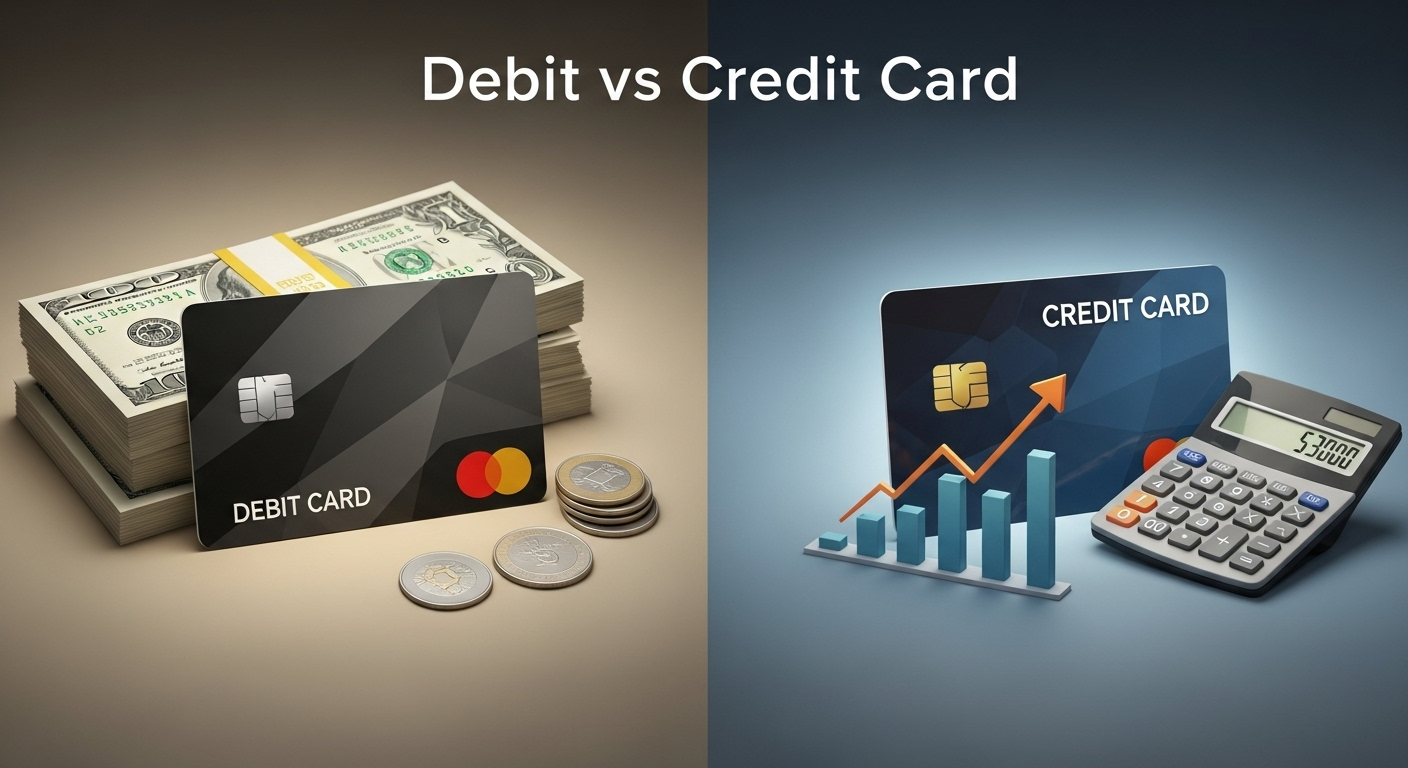
Debit vs credit card are two of the most common payment methods used today, but many people are unsure about how they differ. In this guide, you will learn the key differences between debit and credit cards, including how they work, their benefits, and their potential risks. Understanding these differences helps you make smarter financial choices and manage your money effectively.
What is a Debit Card? How a Debit Card Works
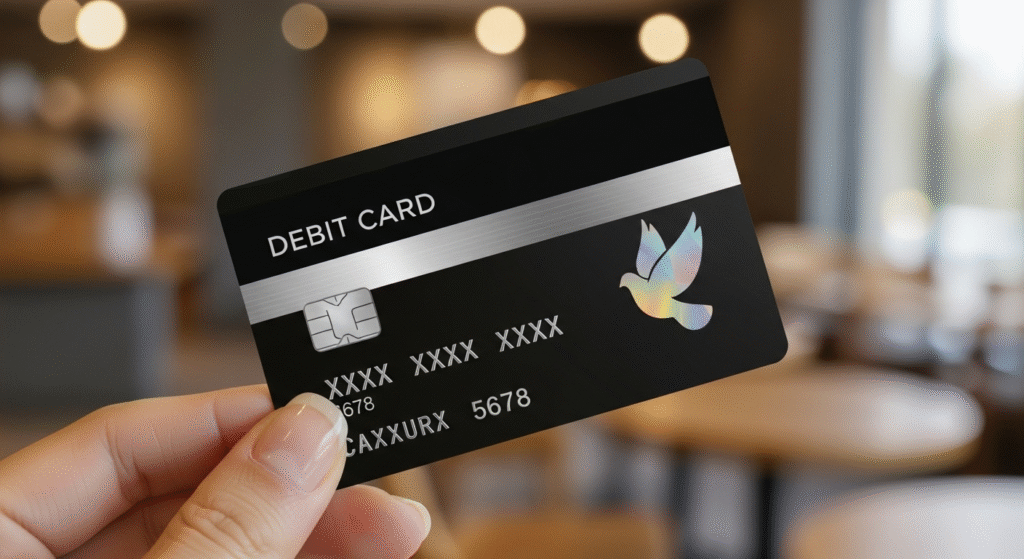
A debit card is a payment card linked directly to your bank account. When you use a debit card to buy something or withdraw cash from an ATM, the money is taken immediately from your account. It allows you to spend only the money you already have, helping you avoid debt. Debit cards are convenient for daily purchases, bill payments, and ATM withdrawals. Most debit cards also come with security features, such as PIN codes and fraud protection. Some offer rewards or cashback, but generally, the benefits are simpler than credit cards.
What is a Credit Card? How a Credit Card Works
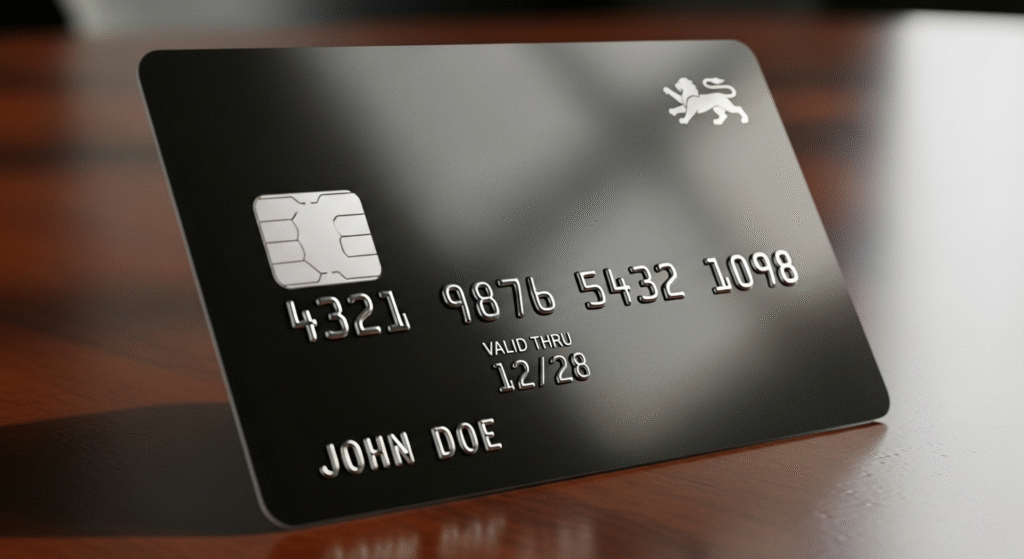
A credit card is a card that lets you borrow money from a bank or financial institution to make purchases. Unlike a debit card, the money is not deducted directly from your account. Instead, you get a monthly statement and are required to pay at least a minimum amount or the full balance. Credit cards often come with higher interest rates, rewards programs, and perks like travel benefits or purchase protection. Using a credit card responsibly can help build your credit score, but overspending can lead to debt if payments are missed.
Key Differences Between Debit and Credit Cards
Understanding the debit vs credit card differences is essential for managing money wisely. While both cards are used for payments, they work very differently, affect finances in unique ways, and come with their own benefits and risks. Knowing these key differences can help you make better financial decisions, avoid unnecessary fees, and use each card effectively according to your needs.
Source of Funds: Bank Account vs Borrowed Money
One of the main differences in the debit vs credit card comparison is where the money comes from. A debit card is linked directly to your bank account. When you use a debit card for a purchase, the money is deducted immediately from your checking or savings account. This makes it easy to track spending and prevents overspending because you can only use the money you already have. Debit cards are ideal for everyday expenses, groceries, and ATM withdrawals.
On the other hand, a credit card allows you to borrow money from the bank or financial institution up to a pre-approved credit limit. You do not need to have money in your account to make purchases, but the borrowed amount must be repaid later. This borrowing feature can be useful for large purchases, emergencies, or building credit, but it comes with the responsibility of paying back the amount on time to avoid interest charges.
Impact on Credit Score
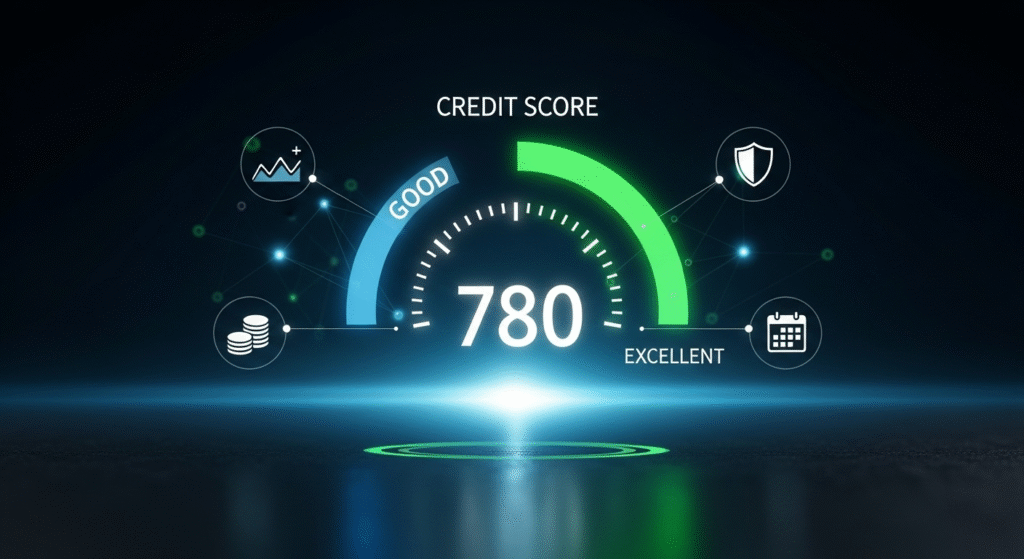
Another important distinction in the debit vs credit card discussion is the impact on your credit score. Debit card usage does not affect your credit score because it uses your own money. There is no borrowing involved, and the bank does not report your spending behavior to credit bureaus. Therefore, using a debit card helps manage money but does not help build a credit history.
Credit cards, however, play a significant role in building and maintaining a credit score. Paying credit card bills on time, keeping balances low relative to the credit limit, and responsible usage all contribute positively to your credit profile. On the other hand, missing payments or overspending can negatively impact your score. For anyone planning to take loans, mortgages, or apply for new credit, understanding how credit cards influence your credit history is crucial.
Fees, Interest, and Charges
Fees and charges are another critical difference in the debit vs credit card comparison. Debit cards usually have minimal fees. Some banks charge monthly maintenance fees or ATM withdrawal fees if using non-network ATMs, but generally, using a debit card is low-cost. Since there is no borrowing involved, debit cards do not incur interest.
Credit cards, in contrast, often come with multiple fees and charges. Most credit cards have interest rates applied to unpaid balances after the grace period. There may also be annual fees, late payment fees, over-limit fees, or foreign transaction fees. While some credit cards offer interest-free periods, failure to pay the balance in full can lead to high-interest charges. Therefore, responsible credit card usage is essential to avoid accumulating debt and extra costs.
Rewards and Perks
When comparing debit vs credit card, rewards and perks are a major differentiator. Debit cards typically offer limited rewards, cashback, or discounts, and are mainly designed for convenience and secure spending.
Credit cards, however, are often packed with various rewards and perks. Many credit cards provide cashback on purchases, reward points redeemable for gifts or travel, discounts at partner stores, and travel benefits such as lounge access or insurance coverage. These rewards make credit cards attractive for people who spend regularly and pay off balances promptly. Choosing a card with suitable perks can maximize benefits while staying financially responsible.
Security and Fraud Protection
Security is another key factor in the debit vs credit card comparison. Debit cards are generally safe but come with risks. If your debit card details are stolen, money is withdrawn directly from your bank account. While banks offer fraud protection, it may take time to recover lost funds.
Credit cards provide stronger protection in many cases. Fraudulent charges on a credit card do not immediately affect your personal funds. Most credit cards offer zero-liability policies for unauthorized transactions and easier dispute resolution. This makes credit cards safer for online shopping or large transactions. Both card types require precautions like keeping PINs secure, monitoring statements, and using trusted payment platforms.
| Feature | Debit Card | Credit Card |
|---|---|---|
| Source of Funds | Uses money directly from your bank account | Borrows money from the bank up to a credit limit |
| Impact on Credit Score | No effect on credit score | Can help build or affect credit score depending on usage |
| Fees and Charges | Low fees, occasional ATM or maintenance charges | May include interest, annual fees, late payment fees, foreign transaction fees |
| Rewards and Perks | Minimal rewards, sometimes cashback | Points, cashback, travel perks, insurance, and other benefits |
| Security & Fraud Protection | Linked to your bank account; funds may be at risk in case of fraud | Stronger protection; zero-liability policies; disputes easier to resolve |
| Ideal Use | Daily expenses, bill payments, ATM withdrawals | Large purchases, online shopping, building credit, earning rewards |
Conclusion
Understanding the debit vs credit card differences is essential for smart financial management. Debit cards are ideal for daily spending, using your own money, and avoiding debt, while credit cards help build credit, earn rewards, and handle larger purchases safely. Each card has its benefits, fees, and security features, and choosing the right one depends on your financial goals and spending habits. Using both cards responsibly allows you to enjoy convenience, protect your money, and improve financial confidence. By staying informed and making careful choices, you can manage your finances effectively and achieve long-term financial stability.
FAQs
Can I use a debit card for online shopping?
Yes, debit cards can be used for online purchases, just like credit cards. Most online stores accept debit cards with a Visa or Mastercard logo. However, ensure your account has enough funds because purchases are deducted immediately. Some banks may require additional verification, such as OTPs, for secure transactions. Always shop on trusted websites to protect your account information and avoid fraud.
Are credit cards safe to carry daily?
Yes, credit cards are generally safe for daily use, but precautions are needed. Keep your card in a secure place, never share your PIN, and monitor statements regularly. Many cards offer fraud protection, but reporting lost or stolen cards immediately is essential. Using a credit card responsibly helps prevent misuse and maintains your credit score. Daily use can also earn rewards if managed carefully.
How does spending affect your credit score in debit vs credit card?
In a debit vs credit card comparison, debit cards do not affect your credit score because they use your own money. Credit cards, however, can impact your score. Timely payments and low balances improve your credit rating, while missed payments or overspending can lower it. Understanding this difference is important for building a healthy financial profile and managing future loans or credit applications.
Which is better for beginners, debit vs credit card?
For beginners, a debit vs credit card comparison shows that debit cards are safer for learning money management. They prevent overspending and debt since only existing funds are used. Credit cards offer more benefits but require careful handling to avoid interest charges and missed payments. Beginners can start with a debit card to control spending and later add a credit card to build credit and earn rewards.