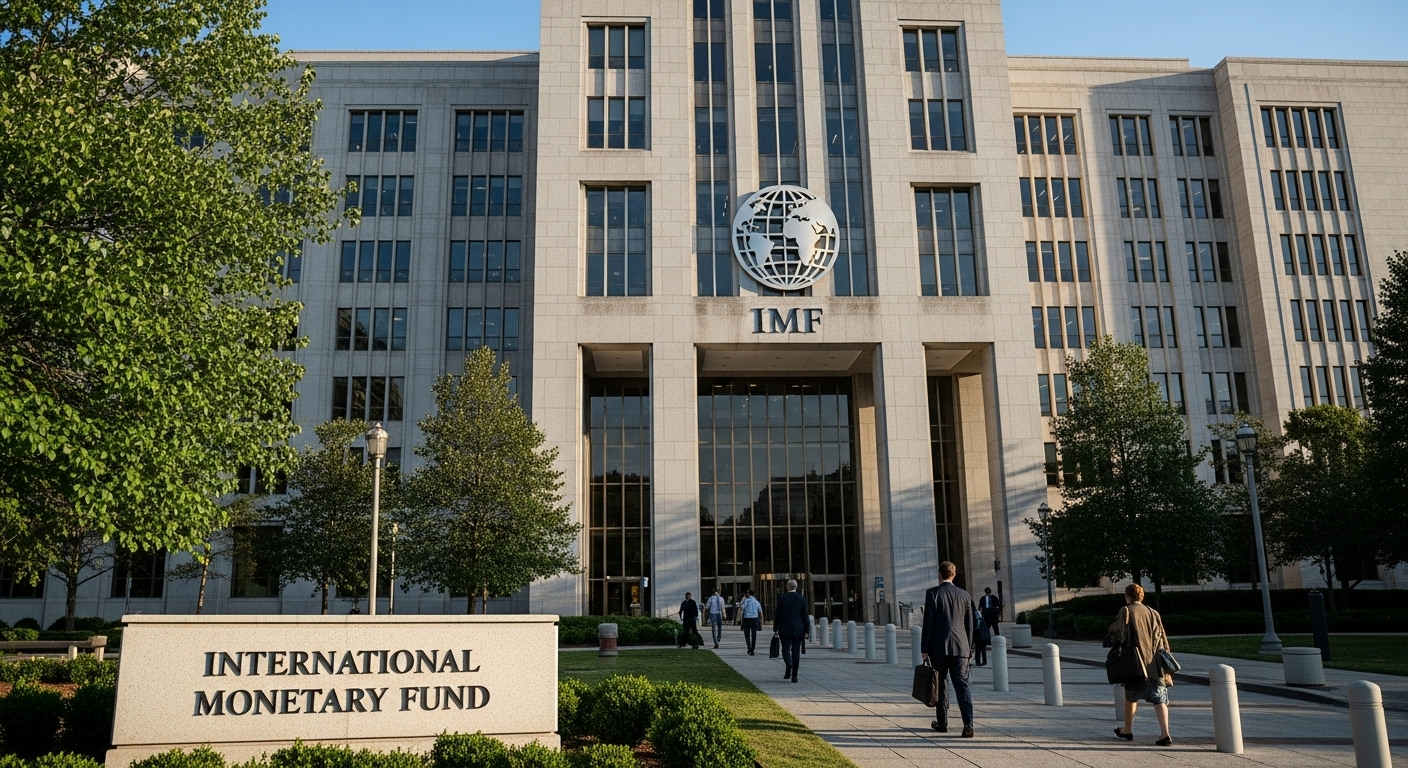
The International Monetary Fund (IMF) is an international organization created to promote global financial stability and economic cooperation. It was established in 1944 to help countries manage their economies, especially during financial crises. The IMF provides financial assistance to countries facing balance-of-payment problems, helps stabilize currencies, and advises governments on economic policies. It also monitors global economic trends and provides data, research, and guidance to support growth.
In this guide, we will explore the key functions of the International Monetary Fund and its impact on global finance. You will learn how the IMF supports economic stability, assists countries in crises, and influences international financial policies. This guide explains its role in simple terms for investors, businesses, and learners.
Financial Assistance and Lending Programs

The IMF provides financial assistance and lending programs to help countries facing economic difficulties. These programs are designed to stabilize economies, support growth, and restore confidence in financial markets. By offering loans and guidance, the IMF helps countries manage balance-of-payments problems, currency fluctuations, and other financial challenges. This assistance is a key way the IMF reduces economic instability worldwide.
There are several types of IMF lending programs. The most common is the Stand-By Arrangement (SBA), which provides short-term financial support to countries experiencing temporary balance-of-payments problems. Another is the Extended Fund Facility (EFF), which offers longer-term support for countries with deeper structural challenges. The IMF also provides Rapid Financing Instruments and concessional lending to low-income countries. Each program is designed to address specific economic needs while promoting stability and sustainable growth.
IMF loans help countries in crises by providing funds to meet urgent financial needs, stabilize currency markets, and maintain essential imports. For governments, IMF support can prevent economic collapse and restore investor confidence. Loans are often combined with technical advice to improve fiscal management, monetary policies, and structural reforms. This combination strengthens economies and reduces the risk of future financial problems, making IMF programs a crucial tool for global economic stability.
Economic Surveillance and Policy Advice

The IMF plays a vital role in monitoring global economies and providing policy advice. Economic surveillance is one of the IMF’s main functions. It involves analyzing the economic and financial health of member countries, tracking global trends, and identifying risks that could affect growth or stability. By monitoring these factors, the IMF helps governments make informed decisions and reduces the likelihood of financial instability, supporting global economic confidence.
Advising countries on fiscal, monetary, and structural policies is another key role of the IMF. Fiscal policies include government spending, taxation, and budget management. Monetary policies involve controlling inflation, interest rates, and money supply. Structural policies may cover labor markets, financial systems, or trade regulations. By providing expert advice, the IMF helps countries implement strategies that foster stability, growth, and resilience. This guidance reduces economic uncertainty and supports long-term financial health.
The IMF also conducts annual reviews and publishes reports such as the World Economic Outlook (WEO) and Global Financial Stability Report. These publications provide data, forecasts, and analysis of global economic trends. They are valuable tools for governments, investors, and businesses to understand risks, plan strategies, and make informed decisions. By combining surveillance, advice, and reporting, the IMF strengthens the global financial system and helps countries navigate complex economic challenges.
Crisis Prevention and Resolution
Preventing and resolving financial crises is a central role of the IMF. Crises can arise from debt defaults, currency instability, banking failures, or sudden capital outflows. The IMF helps countries prepare for these challenges and provides support when crises occur. By acting quickly, the IMF reduces the risk of economic collapse and limits negative spillover effects on other countries, which makes its work critical for global financial stability.
The IMF supports countries during debt, currency, or banking crises through financial assistance, policy guidance, and technical advice. During a debt crisis, the IMF helps restructure obligations, negotiate with creditors, and restore fiscal stability. In currency crises, the IMF may provide funds to stabilize exchange rates and prevent panic. For banking crises, the IMF advises on reforms, recapitalization, and regulatory improvements. This combination of support helps countries recover faster and reduces economic disruption.
Several case studies show the IMF’s role in crisis resolution. For example, during the Asian Financial Crisis in the late 1990s, IMF programs helped stabilize affected economies by providing emergency funding and recommending reforms. Similarly, in the Eurozone debt crisis, IMF assistance supported countries like Greece and Portugal with loans and policy guidance. These interventions illustrate how the IMF helps prevent financial collapse, restore confidence, and maintain stability, highlighting its essential role in the global financial system.
Technical Assistance and Capacity Building

The IMF provides technical assistance and capacity-building programs to help countries strengthen their financial systems and governance. These services support governments, central banks, and financial institutions in improving economic management. Technical assistance focuses on building skills, knowledge, and tools to manage monetary policy, fiscal policy, and financial regulations effectively. This work helps reduce risks in the global financial system and supports sustainable growth, making it a key part of the IMF’s mission.
Training programs for government officials and central banks are an important part of IMF capacity building. Officials learn best practices in public finance, debt management, monetary policy, and financial supervision. Central bankers receive training on regulating banks, monitoring inflation, and managing exchange rates. These programs improve the ability of countries to respond to economic challenges and reduce the likelihood of financial instability. Through workshops, seminars, and online courses, the IMF equips officials with practical knowledge to strengthen financial governance.
The IMF also works to strengthen financial institutions and regulatory frameworks. This includes improving banking supervision, financial reporting, and risk management. By advising on regulatory reforms, the IMF helps countries maintain resilient financial systems and prevent crises. Strong institutions increase investor confidence, reduce borrowing costs, and support long-term economic stability, demonstrating how the IMF contributes to global financial resilience.
Additionally, the IMF plays a key role in improving economic governance in member countries. This includes advising on budget planning, anti-corruption measures, transparency, and public accountability. Effective governance ensures that resources are used efficiently and that financial policies are implemented properly.
IMF and Global Financial Stability
The IMF plays a central role in maintaining global financial stability. Its work affects exchange rates, interest rates, and capital flows, which are essential for stable economic growth. By monitoring financial systems and providing policy guidance, the IMF helps countries avoid economic imbalances that could trigger crises. Maintaining global financial stability reduces uncertainty for investors, businesses, and governments, making the IMF a key institution in the international financial system.
One way the IMF influences stability is through its advice on exchange rates and monetary policy. It helps countries manage currency fluctuations to avoid extreme volatility, which could harm trade and investment. Similarly, IMF guidance on interest rate policies helps control inflation and supports economic growth. By stabilizing financial conditions, the IMF reduces risks for both domestic and international markets.
The IMF also collaborates with other international organizations to enhance global stability. It works closely with the World Bank, regional development banks, and the G20 to address economic challenges and share expertise. This cooperation allows the IMF to coordinate responses to crises, implement reforms, and provide financial assistance where needed, strengthening the global financial safety net.
Conclusion
The IMF plays a vital role in supporting global financial stability and economic growth. By providing financial assistance, policy advice, and technical support, it helps countries manage crises, stabilize currencies, and strengthen institutions. Its programs, surveillance, and capacity-building efforts reduce risks and improve economic governance worldwide. While challenges and criticisms exist, the IMF remains essential for maintaining confidence in the international financial system. Understanding its role helps investors, businesses, and policymakers navigate economic uncertainty. Proactive engagement with IMF policies and guidance allows countries and markets to remain resilient and prepared for future financial challenges.
FAQs
How does the International Monetary Fund help countries during financial crises?
The International Monetary Fund helps countries during financial crises by providing loans and policy guidance. It stabilizes currencies, manages debt issues, and advises on fiscal and monetary policies. The International Monetary Fund may recommend reforms to restore growth and investor confidence. Emergency funding and technical support help countries avoid economic collapse and maintain essential services. This assistance reduces uncertainty, protects jobs and savings, and supports long-term financial stability, showing the critical role of the International Monetary Fund in crises.
Why do some countries criticize the International Monetary Fund?
Some countries criticize the International Monetary Fund because its loan programs often include conditions or economic reforms. These can require budget cuts, higher taxes, or changes in public services, which may affect citizens’ welfare. Critics feel the International Monetary Fund sometimes favors large economies or financial markets over developing nations. While criticisms exist, the IMF aims to balance financial stability with economic reforms, helping countries recover, manage debt, and reduce long-term global financial risk.
How does the International Monetary Fund influence global financial stability?
The International Monetary Fund influences global financial stability by monitoring economies, providing advice, and offering financial support. It helps countries manage exchange rates, interest rates, and capital flows. The International Monetary Fund restores market confidence during crises and encourages sound economic policies. Collaboration with other international organizations strengthens the global financial system. By reducing risks and promoting stability, the International Monetary Fund ensures that investors, businesses, and governments can operate with confidence worldwide.