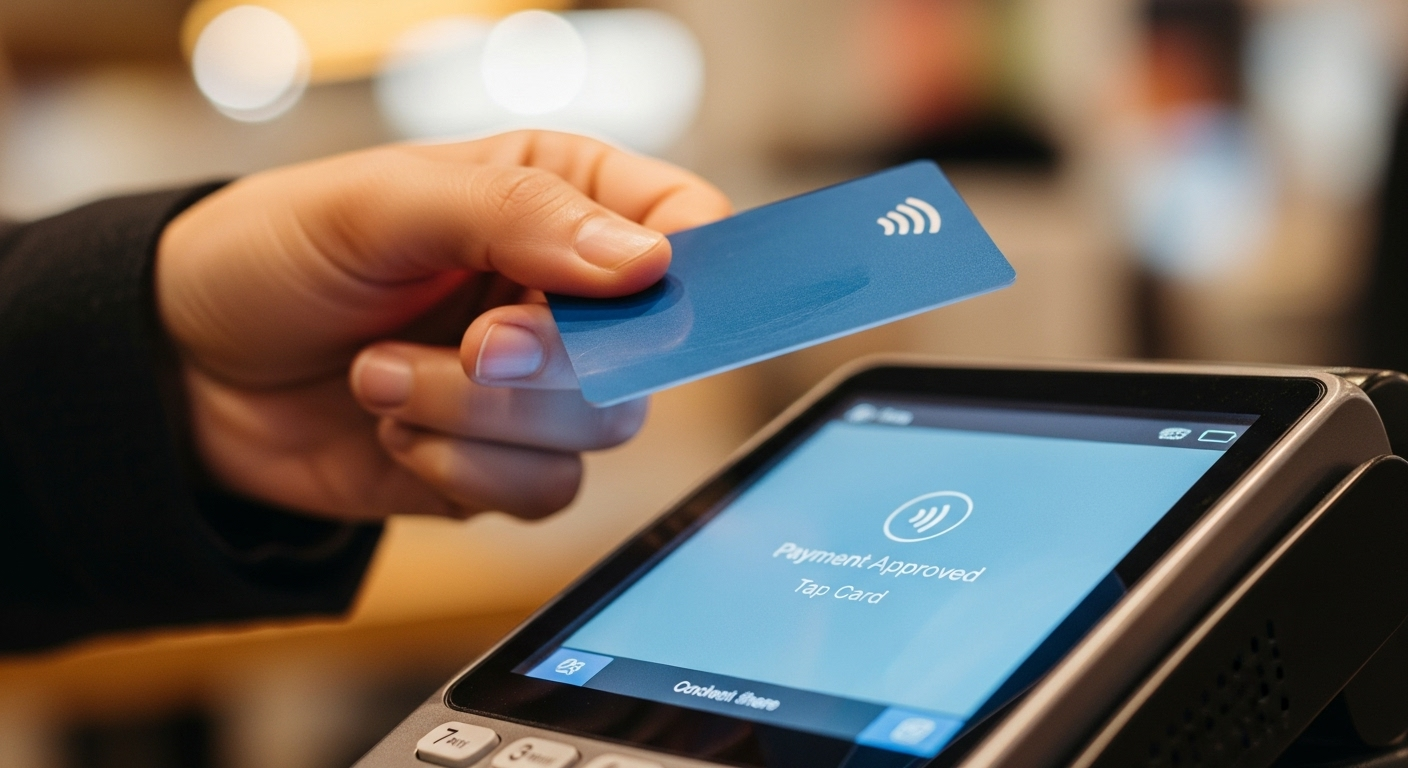
Contactless payments are a fast and secure way to pay for goods and services without using cash or inserting a card. They allow you to simply tap a card, smartphone, or wearable device near a payment terminal to complete transactions quickly. This guide will explain everything beginners need to know about how contactless payments work, their benefits, and how to use them safely.
In this guide, we will cover the different types of contactless payment methods, compare them with traditional payments, and provide tips for using them effectively. Whether you are shopping, commuting, or paying bills, contactless payments make life easier and more convenient.
What Are Contactless Payments?
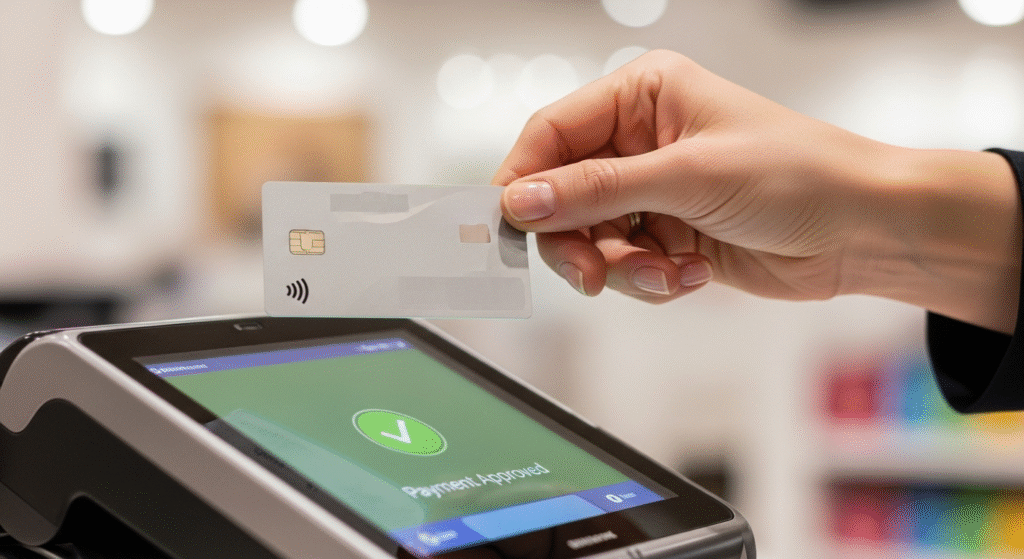
Contactless payments are a modern way to pay for goods and services without inserting a card or handing over cash. Instead, you just tap or hold a contactless-enabled card, smartphone, or wearable device near a payment terminal, and the payment is completed within seconds. This method uses secure technology to transfer payment information quickly and safely, making it both fast and convenient.
These payments work with devices like debit or credit cards that have a contactless symbol, smartphones with mobile wallets, and smartwatches or other wearable devices. Once set up, you can pay almost anywhere that accepts contactless payments, such as grocery stores, cafes, restaurants, public transport, and even some vending machines. Many people prefer contactless payments because they do not need to carry cash or enter a PIN for smaller transactions, which makes the checkout process smoother.
Contactless payments are also very secure. Your real card number is never shared directly with the merchant; instead, a digital code or token is used for the transaction. This reduces the risk of fraud and theft. Even if someone tries to intercept the communication, the information is encrypted and cannot be reused. Many financial institutions also provide alerts for each transaction, so users can monitor payments in real time.
Everyday examples include paying for groceries at a supermarket by tapping a card, buying coffee at a cafe with your phone, or taking a bus and using a wearable device to pay for the ticket. Contactless payments are also widely used for small recurring payments, like subscriptions or in-app purchases.
Overall, contactless payments combine speed, convenience, and security, making them a practical choice for modern life. They are designed to simplify everyday transactions, reduce the need for cash handling, and provide a safer alternative to traditional payment methods. As more people adopt smartphones and digital wallets, the use of contactless payments continues to grow around the world.
How Contactless Payments Work?
Contactless payments work using a technology called Near Field Communication, or NFC. NFC allows two devices to exchange information securely when they are very close to each other, usually just a few centimeters apart. When you tap your card, phone, or wearable device near a payment terminal, the device sends encrypted payment information to the terminal to complete the transaction almost instantly.
The process is simple and fast. First, you select what you want to pay for and go to the checkout counter. Then, instead of inserting a card or entering a PIN, you hold your device near the terminal. The terminal reads the encrypted payment data and processes the payment. Most small payments do not require additional verification, while larger payments may ask for a PIN or biometric authentication, like a fingerprint or face scan.
Every transaction is secure because the actual card details are never shared with the merchant. Instead, a unique code is generated for each payment, which cannot be reused. This makes it difficult for hackers to steal sensitive information. Users also receive instant notifications for every payment, which helps track spending and detect unauthorized transactions quickly.
Transaction limits may vary depending on the bank or country. Many places allow small payments, like under $50 or the local equivalent, without any PIN or password. Payments above the limit may require additional verification for extra security.
Contactless payments are widely accepted at stores, restaurants, public transport systems, and even online platforms using mobile wallets. They are faster than traditional card payments, reduce long lines at checkout, and provide a hygienic way to pay since you do not need to touch cash or the terminal repeatedly.
Types of Contactless Payment Methods
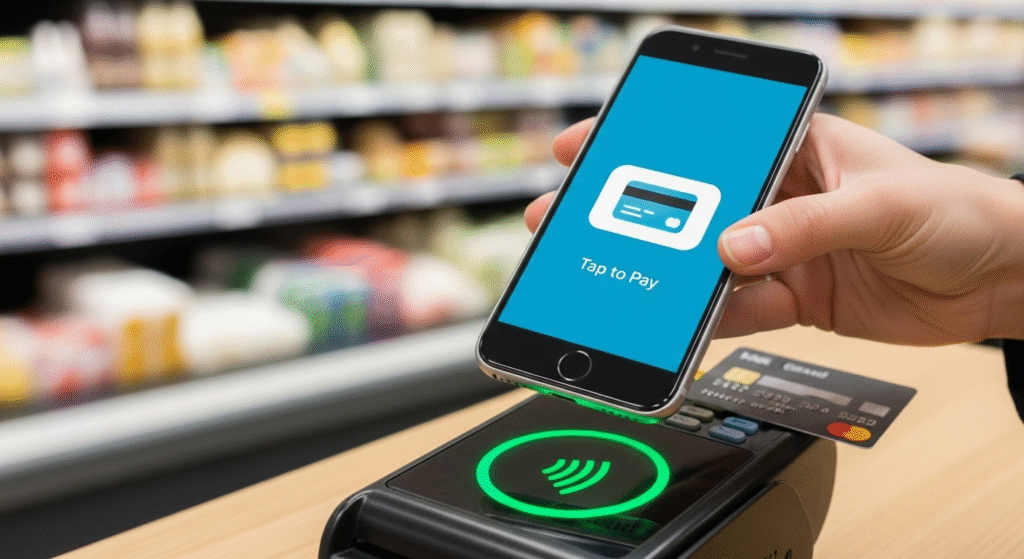
Contactless payments come in different forms, all designed to make paying fast, easy, and secure. The most common method is using debit or credit cards with contactless technology. These cards have a special symbol that looks like a Wi-Fi icon turned sideways. When you tap the card on a payment terminal, it communicates securely with the terminal and completes the payment in seconds. Many people find this method convenient because it does not require cash or inserting the card into a reader.
Another popular method is using mobile wallets. These are apps on your smartphone, such as Apple Pay, Google Pay, or Samsung Pay, which allow you to store your credit and debit card information digitally. To make a payment, you simply unlock your phone and hold it near a contactless terminal. Some mobile wallets also support biometric authentication like fingerprints or face scans, which adds an extra layer of security. Mobile wallets are widely used because they combine convenience with safety and can even store loyalty cards or digital tickets.
Wearable devices, such as smartwatches or fitness trackers, are another form of contactless payment. These devices work similarly to cards and mobile wallets. You can add your debit or credit card to the device, and when you tap it on a terminal, the payment is processed instantly. Wearable devices are especially useful for people on the go, like runners, cyclists, or commuters, who may not want to carry a wallet or phone.
Contactless Payments vs Traditional Payment Methods
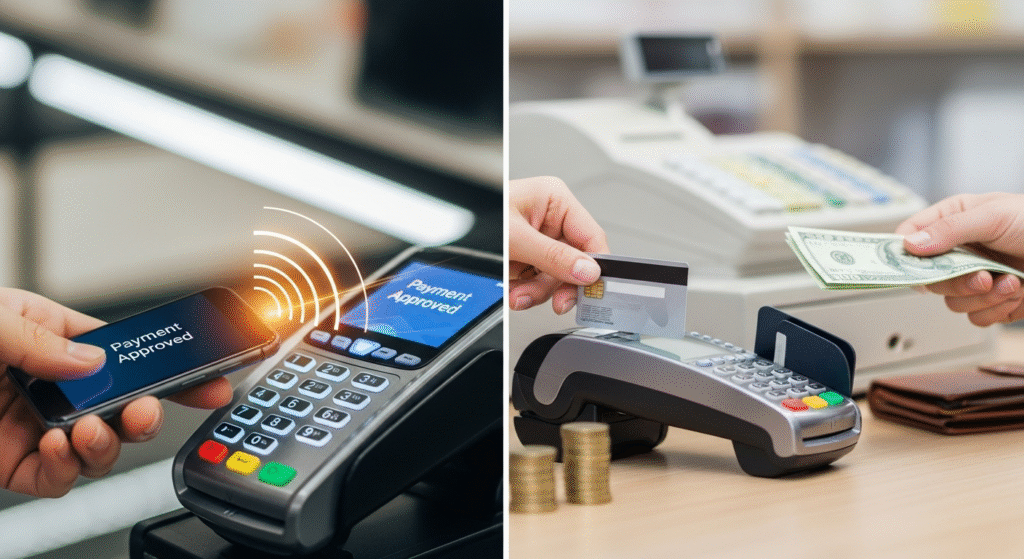
Contactless payments differ from traditional payment methods in speed, convenience, and security. Cash payments, for example, require counting money, giving change, and handling physical bills. This process can take time, especially in busy places, and may increase the risk of mistakes or theft. Contactless payments remove these issues by allowing users to complete transactions in just a few seconds with a tap.
Compared to chip-and-PIN cards, contactless payments do not always require entering a PIN for small amounts, which saves time at checkout. While chip-and-PIN cards are secure, the process is slower because the card must be inserted, read, and verified with a PIN. Contactless payments use encrypted technology that generates a unique code for each transaction, making it difficult for hackers to steal sensitive information.
For consumers, the advantages of contactless payments include faster transactions, convenience, and added security. It is easier to pay without carrying cash or waiting in lines, and users can track their payments instantly through apps or bank notifications. On the other hand, some limitations include transaction limits and the need to ensure devices are set up correctly.
For merchants, contactless payments improve the customer experience by reducing wait times and simplifying the checkout process. It can also reduce handling of cash, which lowers the risk of theft and counting errors. However, merchants may need to invest in compatible terminals to accept contactless payments, which can involve initial setup costs.
Conclusion
Contactless payments have transformed the way people handle money by making transactions faster, safer, and more convenient. They allow users to pay using cards, smartphones, or wearable devices with just a tap, eliminating the need for cash or lengthy processes. In this guide, we have explained how contactless payments work, the different types available, their benefits, and how they compare to traditional payment methods.
As more people adopt digital wallets and contactless cards, these payments are becoming a part of everyday life. By understanding and using them wisely, anyone can enjoy faster checkouts, improved security, and a smoother payment experience in daily transactions.
FAQs
Can I use contactless payments internationally?
Yes, contactless payments can be used in many countries, but it depends on whether the merchant accepts contactless transactions and if your card or device is enabled for international payments. Banks may also set daily limits or fees for foreign transactions. It’s best to check with your bank before traveling. Using contactless payments abroad is convenient and safer than carrying large amounts of cash.
What happens if my contactless payment fails?
If a payment fails, the terminal usually asks you to try again, use a chip-and-PIN method, or choose another payment method. It can happen due to a low card balance, network issues, or a technical problem with the device. Always check your card or device, and ensure it has sufficient funds or is connected properly. You can also contact your bank for assistance if the issue continues.
Can someone steal money using contactless payments?
Contactless payments are very secure because they use encryption and unique codes for each transaction. It is extremely difficult for someone to steal money by scanning your card or device without permission. Still, it’s important to protect your devices, monitor transactions, and report any suspicious activity immediately. Using contactless safely includes enabling device locks and alerts, which adds extra security against unauthorized use.
How can I track my contactless transactions?
You can track transactions using your bank’s mobile app, online banking, or notifications from your digital wallet. Each contactless payment usually appears instantly in your account, showing the amount, date, and merchant. Tracking helps you manage your spending, detect unauthorized activity, and stay organized. Most banks also allow you to download statements or set alerts for payments, making it easier to monitor your financial activity and stay in control of your money.