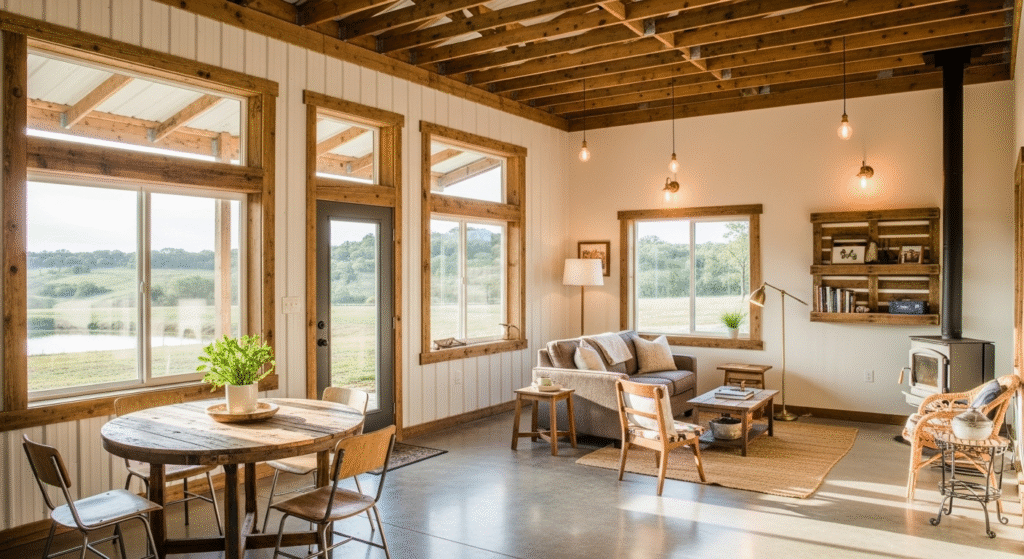
Barndominiums have become a popular housing choice for people looking for a stylish and affordable way to create their dream home. These unique structures combine the durability of barns with the comfort of traditional houses, making them practical for families, couples, or individuals. They are also energy-efficient, low-maintenance, and adaptable to different lifestyles, which makes them even more appealing for budget-conscious homeowners.
The best part about barndominiums is that they can be designed on a budget without sacrificing comfort or style. With smart choices in layout, materials, and finishes, you can create a home that reflects your personality while staying cost-effective. Whether you love rustic charm or prefer a modern design, barndominiums offer flexibility and comfort to fit your needs.
Understanding Barndominiums
Barndominiums are unique homes that blend the structure of a barn with the comfort of a modern house. Unlike traditional homes, which are built using wood frames or concrete, barndominiums often use steel or metal structures, making them more durable and easier to maintain. This difference in construction allows for larger open spaces without the need for many interior walls, which creates a flexible layout for living and storage.
One of the biggest advantages of building barndominiums is cost-saving. Steel or metal frames are usually more affordable than traditional wood or brick construction, and they last longer, reducing maintenance expenses. Additionally, the simplified design and open floor plans mean less labor and fewer materials are needed, which lowers overall building costs.
Key features of barndominiums include open living areas, high ceilings, and multi-purpose spaces that can be customized to fit bedrooms, offices, or workshops. Many barndominiums also include large garage or storage areas directly connected to the living space. Some even offer loft spaces, wide windows for natural light, and modern amenities. Understanding these differences helps homeowners plan efficiently and make smart design choices that suit both budget and lifestyle. A well-planned barndominium combines style, functionality, and affordability, making it an attractive alternative to traditional homes.
Setting a Realistic Budget
Creating a barndominium starts with setting a realistic budget. Begin by estimating building and finishing costs, including materials, labor, permits, and interior finishes. It’s important to research local construction prices and compare estimates from multiple contractors to get an accurate idea of the total cost. Understanding these numbers early prevents overspending and keeps the project manageable.
Next, prioritize essentials versus optional luxuries. Essentials include the basic structure, insulation, plumbing, and electrical work, while optional items could be high-end appliances, custom finishes, or fancy landscaping. Focus on necessities first, then gradually add extras as your budget allows. This approach ensures safety and functionality without exceeding your financial limits.
There are many ways to cut costs without compromising safety. Using durable, low-cost materials, limiting custom designs, and opting for simple layouts can significantly reduce expenses. Planning carefully, doing some tasks yourself, and avoiding unnecessary upgrades also help.
Affordable Design Ideas
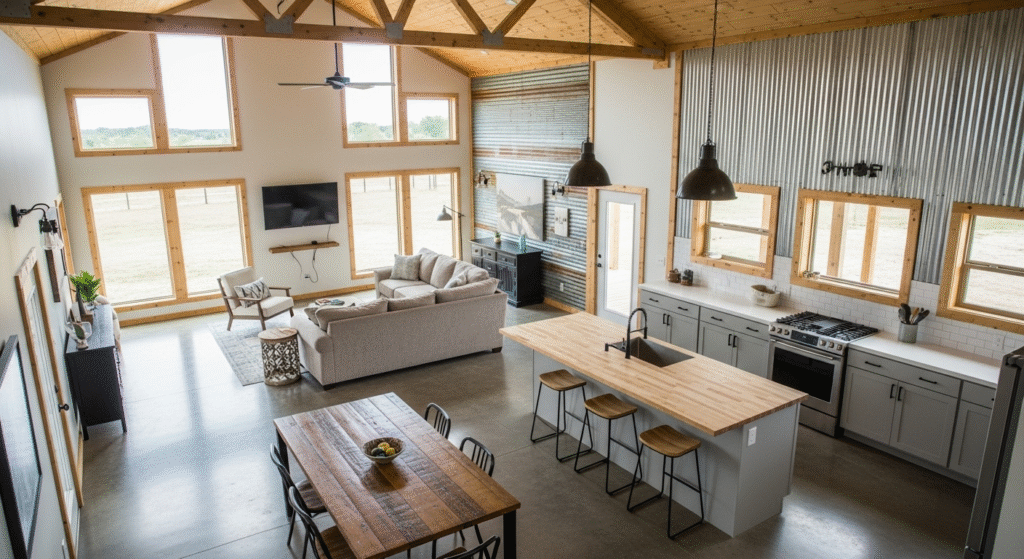
Designing a barndominium on a budget requires creativity and efficiency. Open floor plans are a smart choice because they maximize space and reduce the need for extra walls and labor. Large, flexible areas can serve multiple purposes, like combining the living room, dining, and kitchen into one central space.
Multi-purpose rooms are also ideal for budget-friendly living. For example, a home office can double as a guest bedroom or a workshop. Fewer interior walls lower construction costs and create a more spacious feeling. Large windows and skylights bring in natural light, reducing electricity usage and enhancing the home’s aesthetics.
Choosing cost-effective materials further helps save money. Instead of expensive hardwood, consider laminate or engineered wood. Simple finishes, durable flooring, and standard-sized windows keep costs down while maintaining style.
DIY vs. Hiring Professionals
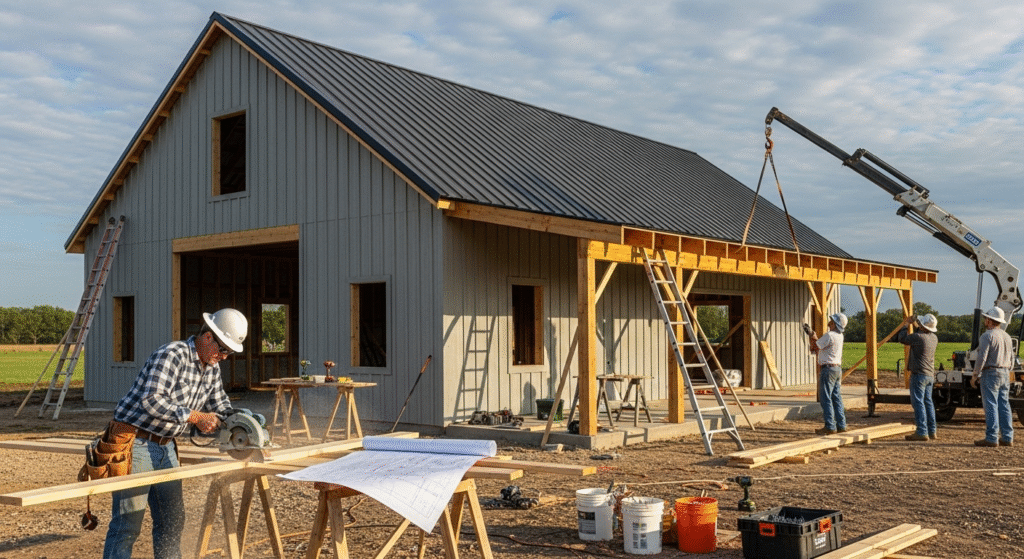
Building a barndominium can be a mix of DIY work and professional help. Taking on some tasks yourself, like painting, landscaping, or installing fixtures, can save money and give you a personal touch. However, structural work, electrical, plumbing, and roofing are best left to licensed professionals to ensure safety and compliance with building codes.
Balancing DIY and professional work helps manage costs while maintaining quality. For example, you could handle interior decorating, furniture installation, or minor finishing work yourself, but hire experts for critical tasks like steel frame assembly, insulation, and HVAC installation.
Planning which tasks to do yourself and which to outsource is essential. DIY saves labor costs and lets you customize, while professional work guarantees safety, durability, and code compliance. A smart combination ensures your barndominium is affordable, well-built, and ready for comfortable living.
Smart Material Choices
Choosing the right materials is essential when building a barndominium on a budget. Recycled or reclaimed materials are an excellent way to save money while adding character to your home. For example, using reclaimed wood for flooring, cabinets, or shelving not only reduces costs but also gives your space a rustic and unique appearance. Metal scraps or recycled steel can also be used for structural elements or decorative features. These materials are durable, sustainable, and often cheaper than buying new, high-end alternatives.
Affordable yet durable finishes are another important aspect of budget-friendly construction. Instead of expensive hardwood or granite, consider laminate flooring, engineered wood, or vinyl planks. For countertops, materials like butcher block or cost-effective quartz alternatives can maintain quality without breaking the budget. Standard-sized windows, doors, and cabinetry are also more affordable than custom sizes and reduce labor costs.
Energy-efficient materials save money in the long run. High-quality insulation keeps heating and cooling costs low, while energy-efficient windows prevent heat loss in winter and keep interiors cooler in summer. LED lighting, energy-saving appliances, and reflective roofing materials also contribute to long-term savings.
Interior Design on a Budget
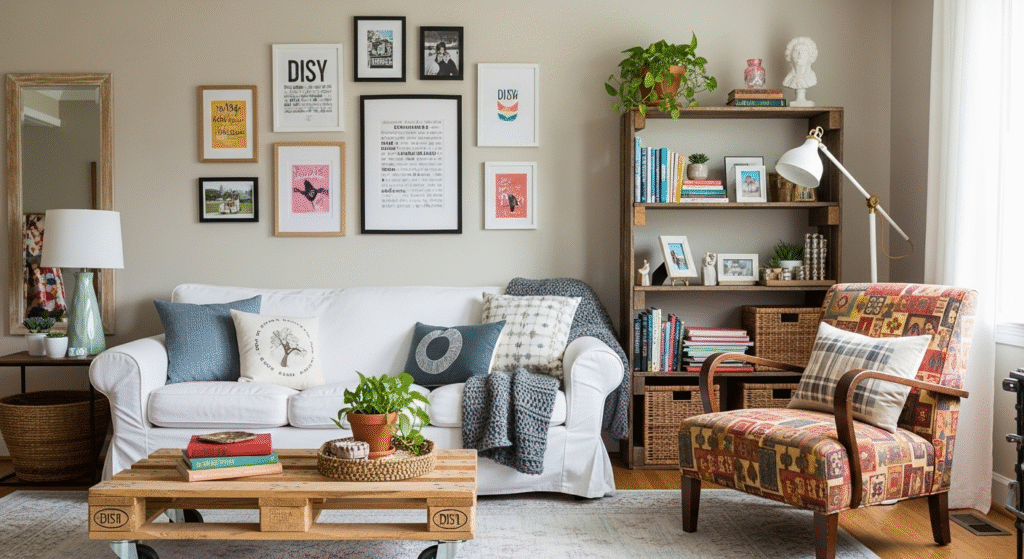
Designing the interior of a barndominium on a budget is all about creativity and smart choices. Simple décor ideas can make a space look stylish without spending a fortune. Minimalist layouts, open shelving, and multifunctional furniture help maximize space and create a modern feel. Using mirrors, plants, and affordable wall art can enhance aesthetics without major expenses.
Affordable furniture hacks are also a great option. Thrifted items, upcycled furniture, or DIY projects allow homeowners to customize their spaces while keeping costs low. For example, repainting old cabinets, creating a coffee table from pallets, or refinishing chairs can transform ordinary furniture into stylish pieces.
Color schemes play a key role in modern design. Neutral shades with pops of color make spaces feel fresh and inviting. Using the same color palette throughout the home creates cohesion and helps small spaces appear larger. Accent walls, colorful cushions, and rugs can update a room without major renovations.
Lighting is another budget-friendly factor to consider. Natural light can reduce electricity costs and improve the ambiance. Affordable lamps, pendant lights, and LED fixtures provide functional lighting and enhance the home’s style. With careful planning, a barndominium’s interior can be cozy, stylish, and practical, all while staying within budget.
Outdoor Spaces and Landscaping
Creating outdoor spaces for a barndominium doesn’t have to be expensive. Budget-friendly porches, patios, or decks can be built with affordable materials like treated wood, concrete, or recycled composites. Simple seating arrangements, potted plants, and outdoor lighting can enhance the area without overspending.
Low-cost landscaping ideas include planting native plants, shrubs, or trees that require less maintenance and water. Mulch, gravel, or stone pathways are affordable ways to add structure and style to the yard. Community gardens, vegetable patches, or small flower beds also add charm and practicality.
Adding value without overspending is the goal. Outdoor spaces should be functional, such as providing shaded areas, seating for gatherings, or space for pets. Even small touches, like DIY garden decorations or upcycled furniture, can create a welcoming atmosphere. Thoughtful landscaping and well-planned outdoor areas improve curb appeal and make the barndominium feel complete.
Real-Life Budget Barndominium Examples
Looking at real-life examples of budget barndominiums provides inspiration and practical insights. Many homeowners have successfully built stylish, functional homes for a fraction of the cost of traditional houses. Some used reclaimed wood, DIY finishes, and multi-purpose layouts to save money while maintaining aesthetics.
Lessons from budget-friendly builds include prioritizing essentials, avoiding over-customization, and planning for future expansions. Simple open layouts, energy-efficient designs, and thoughtful storage solutions often appear in these homes.
These examples show that affordable barndominiums are possible without sacrificing style or comfort. By studying real-life builds, future homeowners can make informed decisions, plan efficiently, and create a functional, attractive, and budget-conscious home that suits their lifestyle.
Conclusion
Building barndominiums on a budget is a practical and stylish way to create a unique, functional home without overspending. By understanding the key features of barndominiums, setting a realistic budget, and prioritizing essentials over luxuries, homeowners can maximize their resources. Smart material choices, energy-efficient solutions, and creative interior and outdoor design ideas help reduce costs while maintaining comfort and style. Combining DIY efforts with professional assistance ensures safety and quality. Real-life examples show that with careful planning, practical strategies, and creativity, a budget-friendly barndominium can provide long-term value, efficiency, and a personalized living space that meets modern needs.
FAQs
How long does it take to build a barndominium?
Construction time varies depending on size, design, and whether you use professionals or DIY methods. A simple barndominium with basic finishes can be completed in 3–6 months, while larger or customized designs may take 9–12 months. Efficient planning, pre-fabricated materials, and a clear budget can shorten construction time. Staying organized and coordinating contractors effectively ensures the project stays on schedule and within budget.
Are barndominiums suitable for families?
Yes, barndominiums can be ideal for families. Open layouts allow for flexible living spaces, while multiple bedrooms and multi-purpose areas provide functionality. Outdoor areas, like porches and patios, give kids space to play. With thoughtful interior design, barndominiums can accommodate growing families comfortably. Their durable construction and energy-efficient features also make them safe, cost-effective, and easy to maintain over time.
Can I customize a barndominium without increasing costs too much?
Yes, customization is possible if done strategically. Focus on essential upgrades like functional layouts, energy-efficient windows, or durable flooring. Avoid overly elaborate finishes or excessive architectural features, which increase costs. Using budget-friendly materials and DIY touches for aesthetics can help maintain personalization while staying within your financial limits. Prioritizing what adds real value ensures your barndominium feels custom without overspending.
What are the maintenance costs of a barndominium?
Barndominiums are generally low-maintenance due to metal or steel construction, which resists pests, rot, and fire. Roofs, siding, and foundations require minimal upkeep compared to traditional wood homes. Regular inspections, cleaning gutters, and checking insulation or windows are usually sufficient. Energy-efficient designs also reduce monthly utility costs. Overall, barndominiums are a cost-effective long-term investment with lower maintenance expenses than conventional houses.
Are barndominiums a good investment?
Yes, barndominiums can be a smart investment. They are cost-effective to build, durable, and customizable. Their unique design appeals to buyers seeking modern, open layouts, which can increase resale value. Energy efficiency and low maintenance further enhance financial benefits. If located in desirable areas or designed with practical features, barndominiums on a budget offer both comfortable living and strong long-term investment potential.