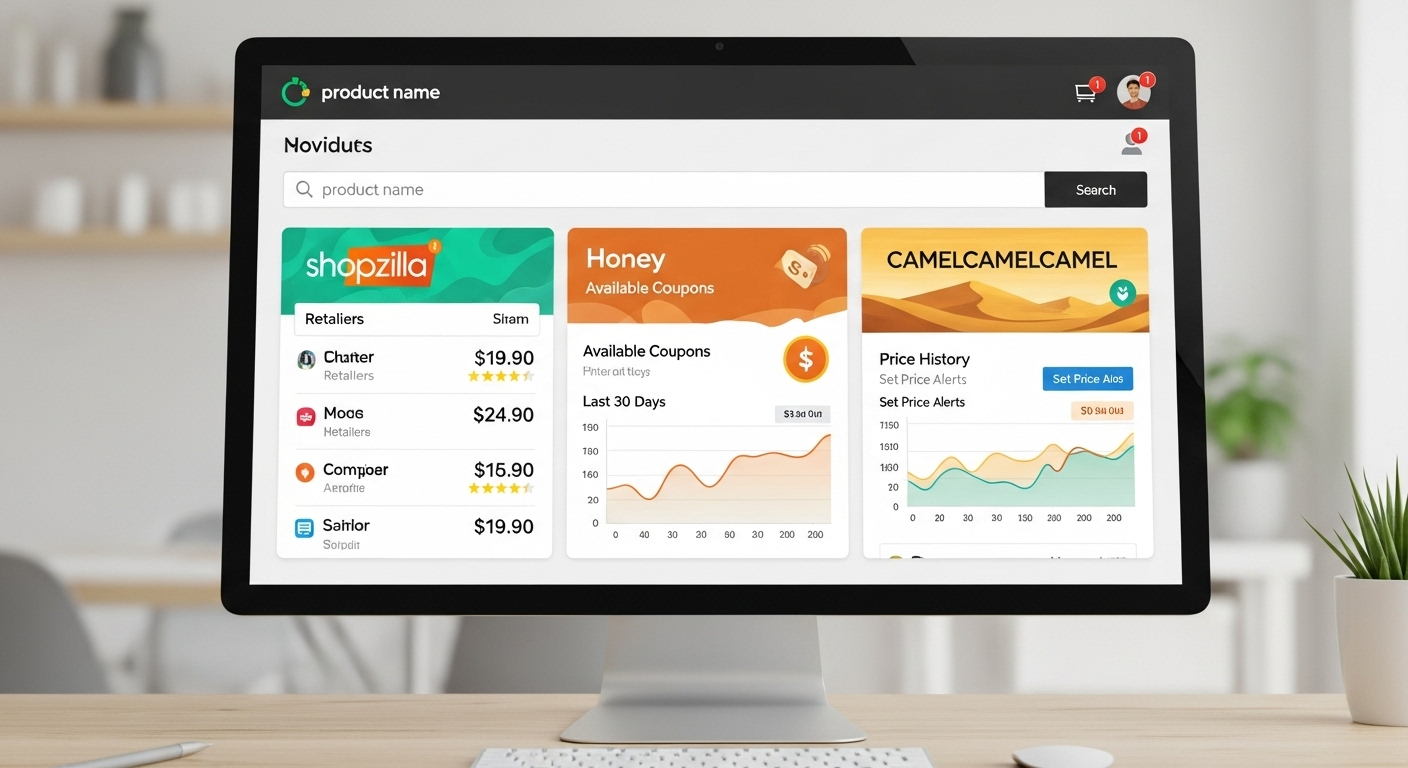
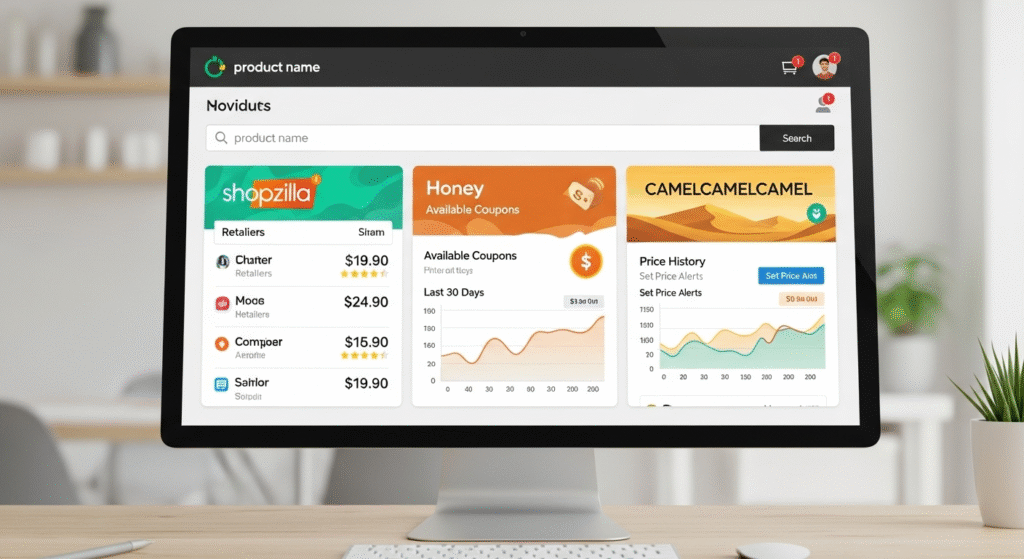
Price comparison tools help shoppers quickly find the best deals by comparing prices across multiple online stores in one place. With rising online shopping options, checking prices manually can be time-consuming and confusing. These tools simplify the process by showing price differences, discounts, and offers, helping users make smarter purchasing decisions and save money on everyday products.
In this guide, we explore the best price comparison tools to find the lowest deals online. You will learn how these tools work, their key features, and how they help you shop confidently. This guide is designed to help you choose the right tool and maximize savings while shopping online.
Best Price Comparison Tools for Online Shopping
Price comparison tools make online shopping easier by showing prices from multiple sellers in one place. Instead of visiting many websites, shoppers can quickly compare prices, features, and offers. These tools help save money, time, and effort while ensuring better purchasing decisions. Below are some of the best price comparison tools widely used for online shopping, along with their features, pros, and cons.
Google Shopping
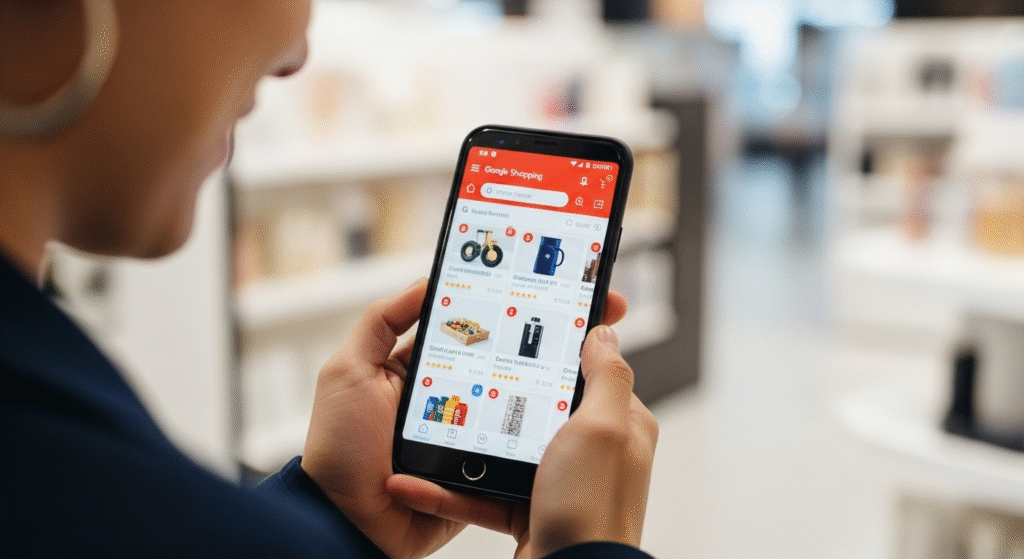
Google Shopping is one of the most popular price comparison tools available today. It allows users to search for products and instantly compare prices from different online retailers. Google Shopping displays product images, prices, seller ratings, shipping details, and availability, helping shoppers make informed decisions quickly.
One major advantage of Google Shopping is its wide retailer coverage. It includes large e-commerce platforms as well as smaller online stores. Users can filter results by price, brand, condition, and seller ratings. The integration with Google search makes it easy to use, even for first-time shoppers.
However, Google Shopping may display sponsored listings at the top, which can sometimes affect neutrality. Prices may also change quickly, so users should verify final costs on the seller’s website. Despite these limitations, Google Shopping remains one of the most reliable price comparison tools for everyday online shopping.
Pros:
- Wide retailer coverage
- Easy-to-use interface
- Detailed product information
Cons:
- Sponsored listings may influence results
- Prices may change rapidly
PriceGrabber
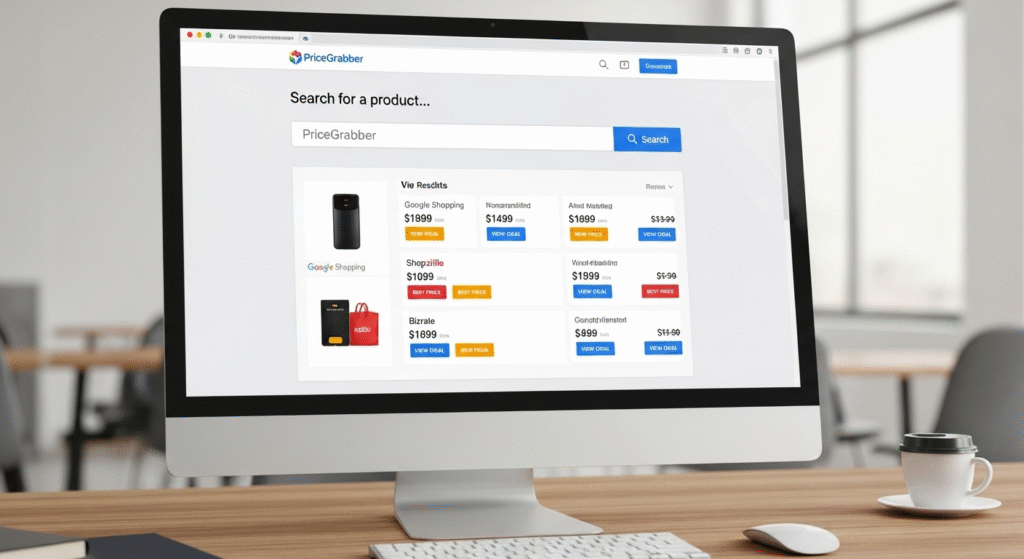
PriceGrabber is a dedicated platform designed specifically for comparing prices across online retailers. It helps users find the best deals on electronics, home goods, fashion, and more. Among price comparison tools, PriceGrabber is known for detailed filtering options and product comparisons.
PriceGrabber allows users to compare prices, read product descriptions, and check seller ratings. It also provides buying guides and reviews, which help shoppers understand product features before making a purchase. The platform is especially useful for shoppers looking for mid-range to high-value products.
One downside is that PriceGrabber may not always include newer or smaller retailers. Additionally, the interface can feel slightly outdated compared to newer tools. Still, it remains a strong choice among price comparison tools for users who value detailed comparisons.
Pros:
- Detailed product comparisons
- Seller ratings and reviews
- Helpful buying guides
Cons:
- Limited coverage of smaller retailers
- Interface feels outdated
Shopzilla
Shopzilla is another well-known name among price comparison tools, offering comparisons across millions of products. It covers categories such as electronics, clothing, home appliances, and beauty products. Shopzilla focuses on providing accurate pricing information and user-friendly navigation.
One of Shopzilla’s strengths is its filtering system. Users can sort products by price, popularity, brand, and ratings. It also provides insights into shipping costs and return policies, which are important for final purchasing decisions.
However, Shopzilla may display advertisements and sponsored listings, which can sometimes affect the browsing experience. Despite this, it remains a reliable price comparison tool for shoppers who want a balance between price and product quality.
Pros:
- Large product database
- Strong filtering options
- Clear pricing details
Cons:
- Ads and sponsored listings
- Limited advanced deal alerts
Honey
Honey is slightly different from traditional price comparison tools. It works mainly as a browser extension that automatically finds coupons, discounts, and better prices while shopping online. Honey supports thousands of online stores and applies promo codes at checkout.
In addition to coupons, Honey also tracks price history for selected products and notifies users when prices drop. This makes it especially useful for shoppers who want to wait for the best deal. Honey’s simple setup and automation make it popular among frequent online shoppers.
The limitation of Honey is that it does not compare prices across all sellers like traditional tools. Instead, it focuses more on discounts and cashback. Still, as part of a broader shopping strategy, Honey complements other price comparison tools effectively.
Pros:
- Automatic coupon application
- Price tracking and alerts
- Easy to use
Cons:
- Limited seller comparison
- Works mainly with partner stores
CamelCamelCamel
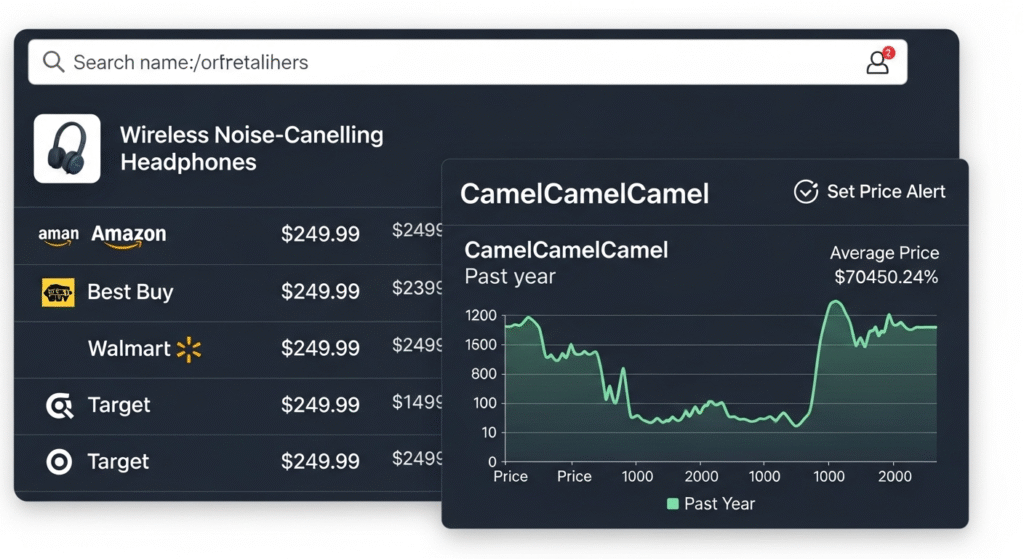
CamelCamelCamel is a specialized price comparison tool focused on Amazon products. It tracks price history and alerts users when prices drop. This tool is particularly useful for shoppers who buy frequently from Amazon and want to avoid overpaying.
CamelCamelCamel provides charts showing price changes over time, helping users identify the best time to buy. Users can set price alerts and receive notifications when products reach a desired price point.
The main drawback is its limited scope, as it only works with Amazon. However, for Amazon-focused shoppers, CamelCamelCamel is one of the most effective price comparison tools available.
Pros:
- Detailed price history
- Accurate price alerts
- Ideal for Amazon shoppers
Cons:
- Limited to Amazon only
- No multi-retailer comparison
Price Comparison Tools for Specific Categories
Different shopping categories require different types of price comparison tools. Some tools perform better for electronics, while others excel in fashion, groceries, or travel bookings.
Electronics and Gadgets
For electronics and gadgets, price comparison tools like Google Shopping, PriceGrabber, and Shopzilla work best. These tools allow users to compare specifications, prices, warranties, and seller ratings. Electronics often have frequent price fluctuations, so tools with price tracking features are especially valuable.
CamelCamelCamel is ideal for tracking electronics on Amazon, while Honey helps apply discounts at checkout. Using multiple tools together ensures better savings and smarter purchases.
Fashion and Lifestyle Products
Fashion shopping benefits from price comparison tools that include multiple retailers and support size and brand filtering. Google Shopping and Shopzilla are effective for comparing clothing, footwear, and accessories across different stores.
Honey is also useful for fashion purchases, as it automatically applies promo codes and cashback offers. Since fashion prices vary by season and sales, these tools help shoppers find the best deals quickly.
Groceries and Daily Essentials
Groceries and daily essentials require price comparison tools that support local and online retailers. Google Shopping works well for packaged goods, while some region-specific tools may offer better results for groceries.
Price comparison helps users identify discounts, bulk offers, and price differences between stores. For regular purchases, using tools with price alerts can help save money over time.
Travel and Hotel Bookings
For travel and hotel bookings, specialized price comparison tools are more effective. While general tools like Google Shopping help with travel gear, platforms like Google Flights and hotel comparison websites focus on airfare and accommodation prices.
These tools compare prices across airlines and hotels, helping users find the best deals based on dates, location, and preferences. Using multiple tools ensures accurate comparisons and better travel planning.
Free vs Paid Price Comparison Tools
Price comparison tools are available in both free and paid versions, each designed to meet different shopping needs. Choosing the right option depends on how often you shop online, the type of products you buy, and the level of detail you expect from comparisons.
Benefits of Free Tools
Free price comparison tools are ideal for everyday shoppers who want quick and simple price checks. These tools allow users to compare prices across multiple online stores without any cost. Popular free tools like Google Shopping, Shopzilla, and CamelCamelCamel provide access to basic features such as product listings, price ranges, seller information, and reviews.
One major advantage of free tools is accessibility. Anyone can use them instantly without subscriptions or registrations. They are especially useful for occasional buyers who want to save money on regular purchases. Free price comparison tools also help users discover discounts, seasonal sales, and competitive pricing trends.
However, free tools may include advertisements or sponsored listings. They might also offer limited price history data or fewer customization options. Despite these limitations, free price comparison tools remain effective for most online shoppers.
Advanced Features in Paid Tools
Paid price comparison tools offer advanced features designed for frequent shoppers, professionals, or businesses. These tools often include detailed price history analysis, real-time alerts, advanced filters, and ad-free browsing. Some paid platforms also provide insights into seller reliability, shipping costs, and long-term pricing trends.
Another benefit of paid tools is accuracy and speed. Prices are updated more frequently, and users can track multiple products across different platforms. Paid price comparison tools are especially useful for bulk buyers, resellers, or users making high-value purchases.
The main drawback is cost, which may not be justified for casual shoppers. Still, for users who want deeper insights and consistent savings, paid tools can deliver strong value.
Key Features to Look for in Price Comparison Tools
Choosing the right price comparison tools requires understanding the key features that improve accuracy, usability, and savings.
Accuracy and Updated Pricing: Accurate and regularly updated pricing is the most important feature of price comparison tools. Prices change frequently online, so tools must pull real-time or near real-time data from retailers. Reliable tools clearly show final costs, including taxes and shipping, helping users avoid surprises at checkout.
User-Friendly Interface and Search Options: Good price comparison tools should be easy to navigate, even for first-time users. Clear filters, sorting options, and clean layouts improve the shopping experience. Advanced search features such as brand filters, price ranges, and seller ratings make comparisons faster and more effective.
Price History and Deal Alerts: Price history tracking helps users understand whether a deal is truly good. Price comparison tools with charts and historical data allow shoppers to spot trends and time purchases better. Deal alerts notify users when prices drop, making it easier to buy at the right moment.
Mobile and Browser Extension Support: Modern price comparison tools should work across devices. Mobile apps and browser extensions allow users to compare prices while shopping online or in-store. These features provide instant access to deals, coupons, and alerts, improving convenience and savings.
Conclusion
Price comparison tools make online shopping smarter, faster, and more affordable. They help users find the best deals, compare features, track price history, and avoid overpaying. Free tools are great for everyday shoppers who want quick comparisons, while paid tools offer advanced alerts, deeper insights, and premium support for frequent buyers and businesses. Choosing the right tool depends on shopping habits, budget, and product categories. By focusing on accuracy, ease of use, and useful features like alerts and mobile access, shoppers can save both time and money. Using price comparison tools regularly leads to better decisions and more confident online purchases.
FAQs
Are price comparison tools safe to use online?
Yes, most price comparison tools are safe to use if they are well-known and trusted platforms. They do not usually require sensitive personal information and mainly collect pricing data from retailers. However, users should avoid unknown tools, check privacy policies, and download browser extensions only from official app stores. Using secure websites and keeping devices updated also helps ensure safe usage while comparing prices online.
Do price comparison tools work for international shopping?
Many price comparison tools support international shopping, but coverage depends on the platform. Some tools focus on specific countries, while others compare prices across multiple regions. Currency differences, shipping costs, taxes, and import duties may not always be included. Shoppers should review total costs carefully and check if the tool supports local retailers in their country before relying on the comparison results.
Can price comparison tools help find discount codes?
Yes, several price comparison tools also provide discount codes, coupons, and cashback offers. Tools like browser extensions automatically apply available promo codes at checkout. This feature helps shoppers save even more beyond simple price comparisons. However, not all codes may work every time, so it is helpful to test multiple offers and verify final prices before completing a purchase.