

Micro SaaS ideas in 2026 focus on small, niche software products built to solve one clear problem for a specific audience. Unlike traditional SaaS, Micro SaaS is usually created by solo founders or small teams using low budgets and simple tools. These businesses rely on recurring subscriptions, automation, and remote work to stay profitable. In 2026, Micro SaaS means faster launches, lean operations, and steady income without massive funding or large staff.
Key trends shaping high-growth micro SaaS ideas include AI-powered features, no-code development, remote work solutions, and niche-focused products. Rising demand for automation, subscription tools, and personalized software is helping micro SaaS grow quickly and sustainably.
Section 1: AI-Powered Micro SaaS Ideas

AI-powered tools are shaping the future of micro SaaS ideas in 2026. These products help small businesses save time, reduce costs, and improve decision-making without needing large teams. One of the most popular micro SaaS ideas is an AI customer support automation tool. Small businesses struggle to answer customer questions quickly. AI chatbots can respond instantly, handle common questions, and provide support 24/7. Ticket sorting and response suggestions further improve efficiency by organizing requests and recommending quick replies. This makes customer service faster and more consistent.
Another fast-growing option in micro SaaS ideas is an AI content repurposing platform. Many businesses create blogs but lack time to convert them into social posts, emails, or videos. This AI tool automatically turns long content into short formats for different platforms. It helps marketers reach wider audiences with minimal effort. As content demand rises, this type of micro SaaS ideas becomes highly profitable and scalable.
An AI resume and cover letter optimizer is also one of the smartest micro SaaS ideas for 2026. Job seekers want tailored applications for each role. This tool customizes resumes and cover letters based on job descriptions, increasing interview chances. It saves time and adds real value for users, making it a strong subscription-based business.
Remote work growth supports another opportunity: an AI meeting notes and action item tracker. Meetings often lack clear follow-ups. This tool records meetings, creates summaries, and highlights tasks for teams. For remote teams, this improves productivity and accountability. Among AI-driven micro SaaS ideas, this one solves a daily problem for modern businesses.
Lastly, an AI pricing optimization tool for SMBs stands out. Many small companies struggle with pricing decisions. This tool analyzes sales data, demand, and competitors to suggest optimal prices. Data-driven pricing helps businesses grow profits without guesswork. In 2026, AI-powered micro SaaS ideas that focus on automation and insights will continue to dominate because they deliver clear results with simple tools.
Section 2: Productivity and Workflow Automation Ideas
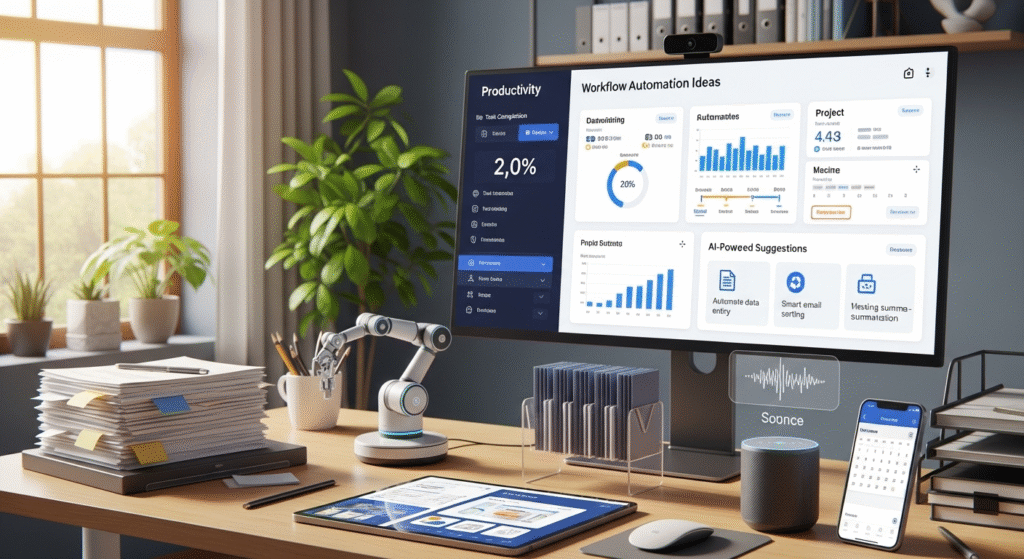
Productivity-focused micro SaaS ideas are in high demand as freelancers and small teams look for simple tools that save time. One powerful idea is a micro CRM for freelancers. Freelancers often use spreadsheets to track clients, payments, and deadlines. A lightweight CRM designed for solo workers simplifies client management and improves cash flow. This kind of micro SaaS idea focuses on ease of use instead of complex features.
Another strong option is task automation for non-technical users. Many people want automation but don’t know how to code. No-code workflow builders allow users to automate daily tasks like email alerts, file organization, and scheduling. These micro SaaS ideas empower users to work smarter without hiring developers.
A time tracking tool with smart insights is another valuable product. Traditional time trackers only log hours. Smart tools analyze work patterns and generate productivity improvement reports. Freelancers and teams can see where time is wasted and how to improve efficiency. This makes productivity-based micro SaaS Ideas more valuable than simple tracking apps.
A team documentation management tool also fits well into the micro SaaS ideas space. Companies struggle to store and update internal documents. A central knowledge base improves onboarding and reduces repeated questions. Small teams prefer simple systems that are easy to maintain, making this a scalable idea.
Lastly, an email management and follow-up automation tool solves inbox overload. It organizes emails, sets reminders, and tracks follow-ups automatically. Professionals miss opportunities due to forgotten emails. This tool increases response rates and saves time. In 2026, productivity-based micro SaaS ideas that remove daily friction will remain profitable because they solve real, repeat problems with simple workflows.
Section 3: Finance, Accounting and Subscription Tools

Finance-focused micro SaaS ideas are essential as remote work and global payments continue to grow. One strong idea is an expense tracking SaaS for remote teams. Teams working across countries need multi-currency support and clear reports. This tool helps businesses track spending, control budgets, and stay organized. Finance-based micro SaaS ideas are popular because they directly impact profits.
A subscription billing and invoicing tool designed for founders is another powerful option. Many creators struggle with recurring payments, failed charges, and invoices. This tool simplifies billing and supports subscription models. Since recurring revenue is core to micro SaaS ideas, this product fits perfectly into the ecosystem.
A cash flow forecasting tool for startups is also valuable. Startups often fail due to poor cash management. Simple dashboards that show future income and expenses help founders plan better. These micro SaaS ideas provide clarity without complex accounting knowledge.
Another important product is a tax compliance tool for freelancers. Freelancers work with multiple clients and countries, making taxes confusing. This tool helps calculate taxes, track deductions, and support local and international rules. As freelancing grows, tax-focused micro SaaS ideas become more relevant.
Finally, payroll automation for small businesses remains a strong opportunity. Many SMBs struggle with payroll setup and reporting. An easy system that handles salaries, taxes, and reports saves time and reduces errors. In 2026, finance and accounting micro SaaS ideas will continue to grow because businesses always need simple, reliable financial tools.
Section 4: Marketing and Growth Micro SaaS Ideas
Marketing-focused micro SaaS ideas are essential for businesses that want steady growth without large marketing teams. One high-demand product is an SEO rank tracking tool for niches. Instead of competing with large SEO platforms, this tool focuses on industry-specific keywords. Bloggers, local businesses, and niche websites want simple dashboards that show keyword rankings, traffic trends, and competitor insights. These targeted micro SaaS ideas are easier to market and retain loyal users.
Another strong opportunity is social media scheduling with analytics. Many small brands schedule posts but lack performance tracking. This tool combines scheduling with analytics that show reach, engagement, and best posting times. Clear reports help users improve their strategy. Marketing-focused micro SaaS ideas succeed when they combine automation with useful insights.
Email marketing automation for creators is also growing fast. Creators want simple campaigns, not complex enterprise tools. This platform helps build email lists, send newsletters, and automate basic sequences. Easy setup and creator-focused templates make this one of the most profitable micro SaaS ideas in 2026.
A conversion rate optimization tool is another smart idea. Many websites get traffic but fail to convert visitors. This tool analyzes website behavior like clicks, scroll depth, and page exits. Simple recommendations help users improve landing pages and sales funnels. Among marketing micro SaaS ideas, CRO tools deliver clear value by increasing revenue without extra traffic.
Finally, an affiliate program management SaaS offers big potential. Small businesses want affiliate marketing but struggle with setup and tracking. This tool allows easy affiliate onboarding, commission tracking, and payouts. Clear dashboards make performance easy to understand. Marketing and growth micro SaaS ideas remain popular because businesses always want more leads, sales, and visibility with minimal effort.
Section 5: Niche-Focused Micro SaaS Opportunities
Niche-focused micro SaaS ideas work well because they solve specific problems for clearly defined users. One powerful example is a SaaS for online course creators. Course creators need tools to track student engagement, lesson progress, and completion rates. Analytics help creators improve content and increase course sales. Education-based micro SaaS ideas are growing as online learning continues to expand.
Another strong niche product is a property management tool for small landlords. Many landlords manage a few properties and don’t want complex software. This tool focuses on rent tracking, tenant communication, and maintenance reminders. Simple dashboards make daily management easier. Real estate-focused micro SaaS ideas succeed by reducing manual work.
An HR tool for remote-first teams is also in high demand. Remote companies need help with hiring, onboarding, and team documentation. This tool centralizes employee data and onboarding steps. As remote work grows, HR-based micro SaaS ideas continue to gain traction.
A compliance management SaaS for SMBs is another valuable option. Small businesses struggle to keep up with changing regulations. This tool tracks requirements, deadlines, and compliance tasks. Alerts and reports help avoid fines. Compliance-focused micro SaaS ideas work well because they reduce risk and stress for business owners.
Lastly, a customer feedback and review management tool solves a common problem. Businesses receive reviews across many platforms. This tool centralizes reviews, analyzes sentiment, and highlights improvement areas. Clear insights help improve customer experience. Niche-based micro SaaS ideas succeed because they focus on real problems, loyal audiences, and long-term recurring revenue.
Conclusion
Micro SaasIdeas in 2026 offer strong opportunities for founders who want to build small, profitable, and scalable software businesses. By focusing on real problems in areas like AI, productivity, finance, marketing, and niche industries, founders can create tools users truly need. The key to success with micro SaasIdeas is simplicity, automation, and a clear target audience. Instead of competing with large platforms, Micro SaaS businesses grow by serving specific users better. With low startup costs, recurring revenue, and flexible growth, micro SaasIdeas are ideal for solo founders and small teams. Choosing the right niche, validating demand, and improving user experience can help turn a simple idea into a long-term, sustainable business.
FAQs
How much money is needed to start a Micro SaaS business?
Yes, non-technical founders can build Micro SaaS products using no-code or low-code tools. Platforms like website builders, automation tools, and AI services allow people without coding skills to launch software products. Many successful founders focus on idea validation, marketing, and customer feedback while outsourcing technical work when needed. This makes Micro SaaS accessible to a wider audience than traditional software businesses.
What pricing model works best for Micro SaaS?
Subscription-based pricing works best for most Micro SaaS products. Monthly or yearly plans create predictable recurring revenue and help with cash flow. Simple pricing tiers are easier for users to understand and reduce churn. Some founders also offer free trials or freemium plans to attract users. Choosing the right price depends on the value delivered and the target audience’s budget.
Is Micro SaaS suitable for long-term businesses?
Yes, Micro SaaS can be a long-term and sustainable business model. Many founders run Micro SaaS products for years with steady income and minimal staff. Because these businesses focus on niche problems, customer loyalty is often strong. With continuous updates and good support, Micro SaaS products can grow slowly but consistently, making them ideal for lifestyle businesses or side projects.