Financial Inclusion Platforms are reshaping how people around the world access essential financial services. These platforms use digital tools, mobile apps, and innovative technologies to help individuals who were previously unbanked or underserved. By offering easy ways to save, borrow, transfer money, or make payments, they remove long-standing barriers tied to distance, documentation, or high fees. Their growth is helping millions participate in the global financial system more confidently and securely.
In many regions, Financial Inclusion Platforms are partnering with banks, fintechs, and governments to expand digital banking access. They empower small businesses, support families with safer transactions, and create opportunities for economic improvement. As these solutions continue to advance, they are making global finance more equal and accessible for everyone.
The Need for Financial Inclusion Platforms

Financial Inclusion Platforms are becoming essential because millions of people around the world still remain unbanked or underbanked. These individuals face several challenges that prevent them from accessing even basic financial services. Many live far from physical banks, making travel time long and costly. Others lack official identification documents, which are required to open bank accounts. Low financial literacy and fear of complex banking processes also discourage people from joining the formal financial system. High fees and minimum balance requirements make traditional banking even harder for low-income households. All these barriers create a cycle of exclusion that prevents people from saving money, accessing loans, or receiving digital payments easily.
Financial Inclusion Platforms solve many of these problems using simple digital tools. With just a mobile phone, users can save money, send and receive payments, access microloans, and pay bills instantly. These platforms use e-KYC and digital identity verification to make onboarding faster and easier. Biometrics, such as fingerprints or facial recognition, help users identify themselves without extensive paperwork. Because Financial Inclusion Platforms are built for accessibility, they require minimal technical skills, allowing even first-time users to engage confidently with digital finance.
These platforms also reduce the overall cost of financial services. Instead of charging high fees, they offer low-cost or free account creation, low transaction charges, and flexible loan repayment plans. This makes Financial Inclusion Platforms more affordable for people with irregular or low incomes. They also give users the ability to track spending, build credit histories, and receive financial guidance through AI-driven tools. Such features help individuals manage money more responsibly and improve financial stability.
Key Features of Leading Financial Inclusion Platforms
Leading Financial Inclusion Platforms share several key features that make them effective, accessible, and trusted by millions of users. One important feature is mobile-first banking tools. These tools allow people in remote or rural areas to complete financial transactions without traveling to distant branches. With simple mobile apps or USSD codes, users can check balances, send money, pay bills, and access essential financial services at any time. This mobile-first approach is one reason Financial Inclusion Platforms have spread quickly in developing regions.
Digital identity verification is another major feature. Financial Inclusion Platforms use e-KYC and biometric systems to confirm identities rapidly and securely. This eliminates the need for paper documents, which many unbanked users do not have. With digital verification, users can create accounts, access loans, or receive welfare payments faster. Biometrics help ensure security and prevent identity fraud, making the services more reliable.
Many Financial Inclusion Platforms also offer microloans, small savings tools, and instant payment options. Microloans give users quick access to funds for emergencies, school fees, or small business needs. Savings apps help people build financial discipline by allowing them to store money safely. Instant payments make day-to-day transactions smooth and secure, helping communities shift from cash to digital payments. This is especially helpful for small businesses that rely on quick cash flow.
AI-driven support is another important feature. Financial Inclusion Platforms use artificial intelligence to provide financial advice, detect fraud, and analyze user behavior. AI can help identify suspicious activity, reducing risks for both users and the platform. It can also give personalized tips on budgeting, saving, or managing debt. These tools improve users’ financial knowledge and help them make smarter decisions.
Top Financial Inclusion Platforms Worldwide
Financial Inclusion Platforms have become essential tools for expanding digital banking access across the world. These platforms help people who lack traditional bank accounts, live far from branches, or have low financial literacy. By using mobile phones, digital wallets, and microfinance apps, Financial Inclusion Platforms make financial services simpler, safer, and more affordable. Today, millions depend on these platforms for payments, savings, loans, and identity verification. This section explores some of the top Financial Inclusion Platforms worldwide, their achievements, and the real impact they have created.
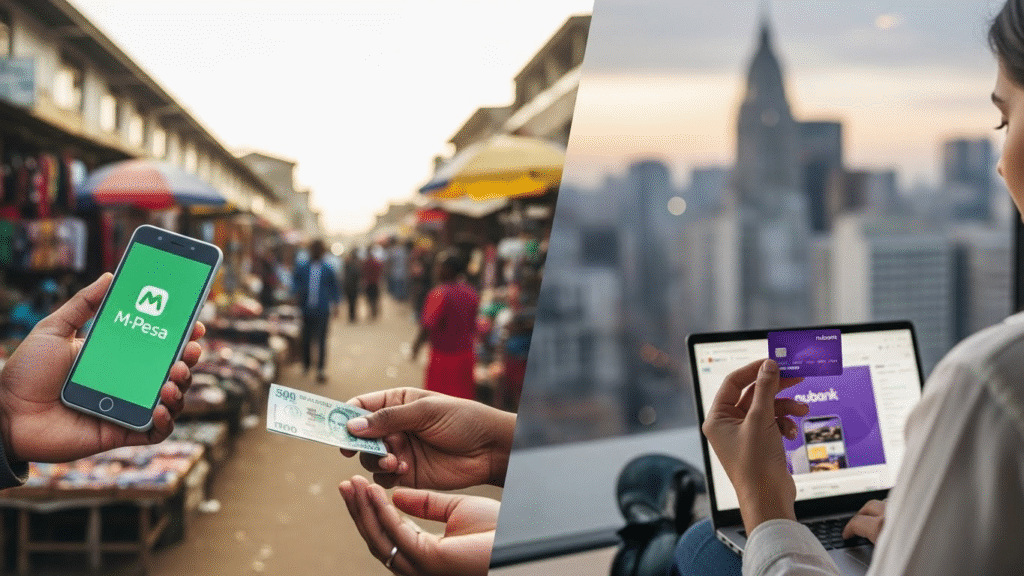
1. M-Pesa (Africa): M-Pesa is one of the most successful Financial Inclusion Platforms in history. Launched in Kenya, it revolutionized mobile money by allowing people to make payments, send remittances, and store money using only a mobile phone. Most users do not need smartphones; even basic phones work through SMS. This made M-Pesa extremely accessible in rural areas.
Its key value lies in simplicity, low fees, and widespread agent networks. Case studies show that households using M-Pesa increased financial stability, improved savings habits, and became more resilient during emergencies. Many small businesses in Kenya and Tanzania also rely on M-Pesa as their main payment method. Over time, it expanded to countries like Ghana, Mozambique, and Egypt, making it one of the most powerful Financial Inclusion Platforms in Africa.
2. Nubank (Latin America): Nubank began in Brazil as a digital bank offering fee-free credit cards and grew into one of the world’s largest neobanks. It is now a leading name among Financial Inclusion Platforms in Latin America. Many people in Brazil, Colombia, and Mexico lacked access to affordable financial services because banks charged high fees and required heavy documentation.
Nubank changed this by offering instant digital onboarding, low-cost services, and simple mobile apps. Its products, credit cards, savings accounts, loans, and payments, help millions enter the financial system for the first time. Nubank’s user-friendly design makes it easy for people with low financial literacy to manage money confidently. Real-world impact reports show that Nubank customers save more, avoid hidden bank fees, and receive faster credit approvals compared to traditional banks.
3. Paytm Payments Bank (India): Paytm Payments Bank is one of the most influential Financial Inclusion Platforms in India. It began as a digital wallet and quickly grew into a full digital banking ecosystem. Because India has one of the largest unbanked populations, Paytm focuses on easy account creation, mobile payments, micro-savings, and digital KYC verification.
Unique features include instant deposits, QR-code payments, free digital transfers, and a simple savings interface. Millions of small shop owners use Paytm for daily transactions, helping them build financial records and access microloans. Paytm also collaborates with government programs, enabling more people to receive subsidies and welfare payments directly into their accounts. Case studies show massive increases in digital payments adoption in rural and semi-urban India due to Paytm’s user-friendly services.
4. Tala and Branch (Global Microfinance Apps): Tala and Branch offer microloans to underserved populations in countries like Kenya, Tanzania, India, Pakistan, and the Philippines. These apps stand out among Financial Inclusion Platforms because they use alternative data such as mobile usage, transaction patterns, and SMS history to evaluate creditworthiness. This allows people with no credit score or bank account to access small loans instantly.
Their value proposition lies in fast approvals, transparent fees, and flexible repayment options. Real-world stories show that many small business owners use these apps to buy inventory, expand shops, or manage emergencies. Tala and Branch have played a major role in improving financial access for young entrepreneurs, gig workers, and low-income families who previously relied on informal lenders with high interest rates.
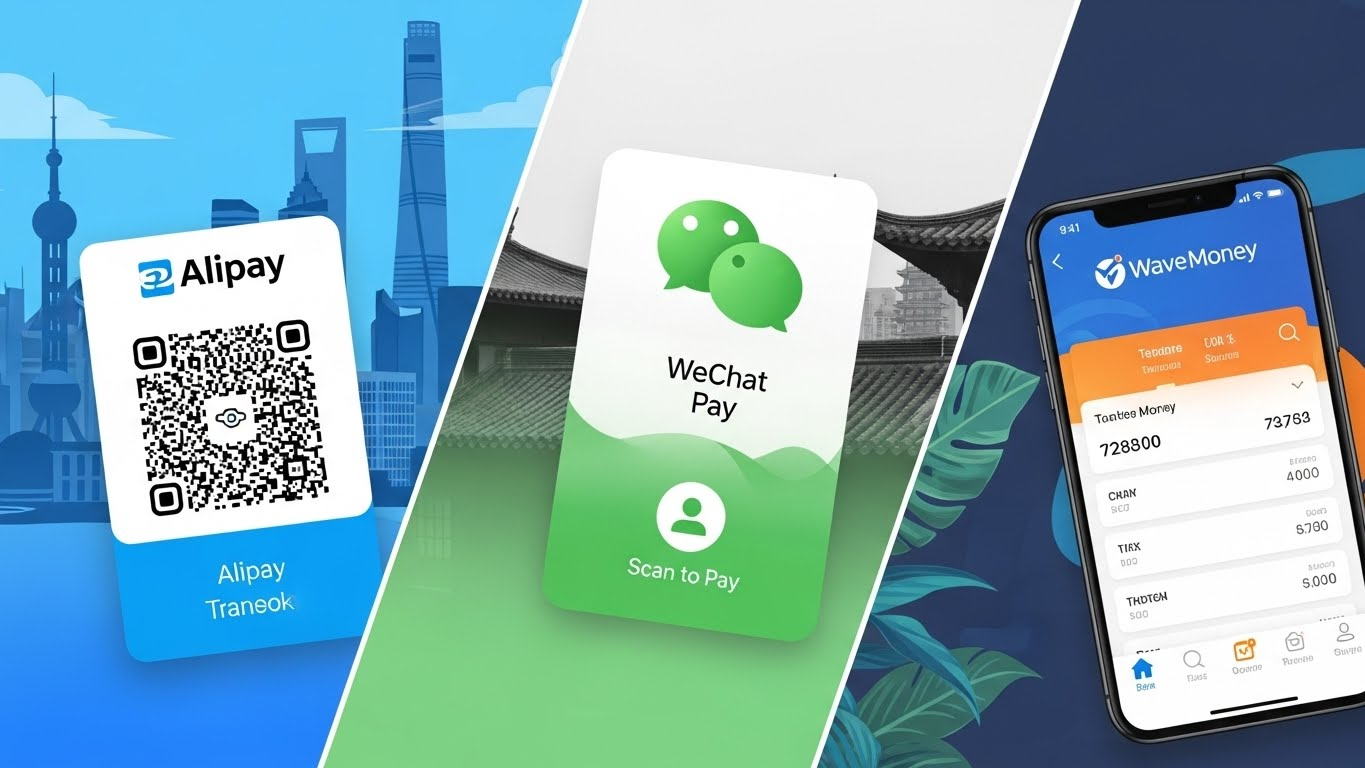
5. Alipay and WeChat Pay (China): Alipay and WeChat Pay are two of the largest digital wallet systems globally and crucial Financial Inclusion Platforms in China. They transformed daily transactions, enabling digital payments for transportation, food delivery, shopping, healthcare, and education. Through QR codes, even small street vendors can accept instant payments without complex equipment.
Both platforms offer microloans, savings tools, insurance, and investment products. Their integration with everyday apps makes financial services seamless and accessible. One major impact is how farmers, small businesses, and rural users gained access to modern banking without visiting physical branches. Studies show that these platforms helped bring millions into the formal financial system, boosting China’s digital economy.
6. Wave Money (Southeast Asia): Wave Money is one of the leading Financial Inclusion Platforms in Myanmar and Southeast Asia. It offers mobile wallets, money transfers, bill payments, and salary disbursements. Because many rural communities in the region have limited access to banks, Wave Money’s agent network plays a vital role. Users can deposit and withdraw cash through thousands of agents, similar to M-Pesa’s model.
The platform focuses on low-income workers, migrant families, and small shop owners. Wave Pay, its digital wallet, allows users to pay bills, shop online, and send money safely. Case studies show that migrants working in cities rely on Wave Money to send remittances back home quickly and affordably. It has helped households manage finances better and reduced reliance on cash handling.
Unique Value Propositions of These Platforms
Although each operates differently, these Financial Inclusion Platforms share common strengths:
1. Easy Access: Most platforms use mobile apps or SMS, making banking possible without visiting branches.
2. Low Fees: They offer affordable transfers, microloans, and payments, helping low-income users save money.
3. Alternative Credit Scoring: Platforms like Tala and Branch use non-traditional data to evaluate creditworthiness.
4. Fast and Secure Transactions: Digital systems process payments instantly, reducing risks tied to cash.
5. Strong Agent Networks: M-Pesa and WaveMoney combine digital tools with physical agents for rural accessibility.
6. Financial Literacy Support: Some apps provide budgeting tools, notifications, and educational content.
Real-World Impact and Case Studies
Case Study: Kenya’s Mobile Money Revolution: M-Pesa helped increase financial access from around 25% to over 80% in just a decade. Small shops, taxi drivers, and farmers now use mobile money daily.
Case Study: Latin America’s Digital Banking Boom: Nubank’s low-fee model encouraged millions of people to abandon expensive traditional banks. Users appreciate transparency, simple apps, and fair interest rates.
Case Study: India’s QR Payment Growth: Paytm’s QR codes have reached small tea stalls, vegetable vendors, and rural markets. This drives digital adoption even for people with limited literacy.
Case Study: Microloans Changing Lives: Tala and Branch borrowers report that instant small loans help them manage emergencies without turning to high-interest informal moneylenders.
Case Study: China’s Cashless Society: Alipay and WeChat Pay have made digital payments part of daily life. Even remote villages now use QR-code payments.
Impact on Digital Banking Access
Financial Inclusion Platforms have played a major role in reducing the digital divide across many parts of the world. These platforms offer simple, mobile-based tools that allow people to access financial services without needing physical banks. As more communities gain access to mobile phones, Financial Inclusion Platforms make banking easier, faster, and more affordable. They ensure that even people living in remote villages can send money, receive payments, and manage their finances with convenience. This wider accessibility helps millions join the formal economy for the first time.
One of the biggest impacts of Financial Inclusion Platforms is the rapid increase in mobile wallet adoption. In many regions, especially Africa and South Asia, mobile wallets are now more popular than bank accounts. These platforms allow users to make digital payments instantly, pay bills, top up mobile credit, and receive government benefits securely. Because Financial Inclusion Platforms use simple interfaces, people with low literacy levels can use them without difficulty. This has encouraged more trust and confidence in digital finance.
Another major benefit is the empowerment of small businesses. Many small shops, street vendors, and home-based workers rely on Financial Inclusion Platforms to accept digital payments. They no longer depend solely on cash, which reduces the risk of theft and makes record-keeping easier. With digital histories, small businesses also gain better access to microloans and growth capital. This shift helps businesses expand their income and reach new customers.
Financial Inclusion Platforms also support digital savings and micro-credit solutions. Mobile savings tools allow users to set money aside regularly, while micro-credit options provide quick loans during emergencies. These tools help households build financial resilience, manage risks better, and reduce dependence on expensive informal lenders.
Role of Governments and Fintech Partnerships
Governments around the world have recognized the importance of Financial Inclusion Platforms in building strong and inclusive economies. Many national programs now support digital finance as a key strategy for reducing poverty and increasing economic participation. Government-led initiatives often include digital identity systems, mobile-based social payments, and subsidies distributed through Financial Inclusion Platforms. By digitizing welfare programs, governments ensure faster delivery, fewer leakages, and better transparency for citizens. This support makes Financial Inclusion Platforms stronger and more accessible.
Public–private collaborations are another important factor. When governments partner with fintech companies, telecom operators, and banks, the entire digital finance ecosystem improves. Telecom companies expand network coverage, ensuring even remote villages have access to mobile signals. Fintech innovation introduces new features like biometric verification, instant payments, and AI-driven credit scoring. Banks provide regulatory structure and greater financial security. These combined efforts help Financial Inclusion Platforms grow quickly and serve wider populations.
Infrastructure development is also a critical priority. Many countries invest in digital payment rails, national ID systems, and secure data frameworks. These improvements make Financial Inclusion Platforms more reliable and trustworthy. With better connectivity and digital public infrastructure, millions gain easier access to financial services. This collaborative approach helps move entire populations toward digital banking.
Governments also focus on policy frameworks that encourage safe and inclusive digital ecosystems. Regulations ensure that Financial Inclusion Platforms follow consumer protection rules, data privacy standards, and fair lending practices. Clear policies prevent fraud, reduce misuse, and build trust among users who are new to digital finance. In countries where laws support innovation, fintech growth becomes much faster.
Conclusion
Financial Inclusion Platforms are transforming the way people around the world access financial services. By using mobile tools, digital payments, instant loans, and secure verification systems, these platforms help millions overcome old barriers like distance, high fees, and limited documentation. They empower individuals, small businesses, and entire communities with safer and faster financial solutions. Supported by strong government programs, fintech partnerships, and modern technology, Financial Inclusion Platforms continue to grow and reshape global banking. Their impact is clear: better access, more opportunities, and stronger financial stability for underserved populations. As they evolve, these platforms will remain essential in building a more inclusive digital economy.
FAQs
What makes digital finance important for people in remote areas?
Digital finance is important for people in remote areas because it removes the need to travel long distances to reach a bank. With a mobile phone, users can send money, receive payments, save, or apply for small loans anytime. It offers convenience, lower costs, and faster services. Digital finance also helps people access government benefits easily. For many remote communities, it provides their first chance to participate in the formal financial system securely.
How do fintech apps help small businesses grow?
Fintech apps help small businesses by offering quick payment options, easy record-keeping, and access to small loans. Many small shops and vendors can accept digital payments without expensive equipment. These apps also provide sales tracking and financial insights that help owners make better decisions. Small businesses can build a transaction history, which increases their chances of getting credit. By simplifying payments and cash flow, fintech apps support business growth and attract more customers.
Are mobile wallets safe for everyday transactions?
Yes, mobile wallets are safe when used properly. Most mobile wallets include security features such as two-factor authentication, PIN codes, encryption, and biometric verification. These protections ensure that user data and funds remain secure. Mobile wallets also provide instant notifications for every transaction, helping users detect suspicious activity quickly. As long as users keep their accounts private and avoid sharing sensitive details, mobile wallets are a reliable and secure way to make daily payments.
Why are governments supporting digital payments?
Governments support digital payments because they increase transparency and reduce cash-related issues like fraud and leakage. Digital systems help deliver subsidies, pensions, and welfare benefits more efficiently. They also improve tax collection and support economic growth by encouraging people to join the formal financial system. Digital payments boost financial inclusion and make it easier for citizens to access essential services. For many countries, digital payments are a step toward building a safer and more modern financial environment.